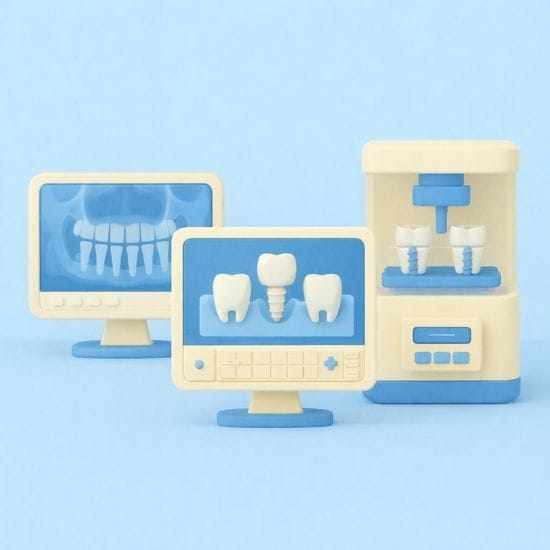
Digital workflows in Dental Implant Market.
Dental implant adoption is becoming more uneven as competition tightens and technology reshapes how implants are planned and placed.
As imaging, planning, and manufacturing tools improve, they are lowering barriers to adoption while also creating new competitive pressures.
Understanding how these digital workflows change implant adoption is critical for suppliers, investors, and dental groups planning their next move.
Find growth niches in minutes, not months.
Explore quick, actionable insights from the select markets.
Table of Contents
➜ What painpoints and opportunities are shaping digital dental implant workflows
➜ How CBCT and CAD/CAM are accelerating guided implant surgery adoption
➜ Where Dentsply Sirona is strong and where pressure is building
➜ Why GP adoption is shifting the treatment planning software market
➜ How digital workflows connect to broader dental implant market growth
➜ How digital planning tools influence implant materials, pricing, and company positioning
➜ How companies can apply these insights
➜ Digital workflows in Dental Implant Adoption
Key takeaways
- Digital imaging and guided surgery are becoming standard, not optional
- GP implant placement is rising, changing demand for planning software
- Bundled and low-cost software is pressuring standalone software revenue
- Specialists remain the core buyers, but high-volume GPs are the growth lever
- Workflow integration matters more than individual product performance
What painpoints and opportunities are shaping digital dental implant workflows
Digital workflows address one of the biggest implant market painpoints: procedural complexity.
A 2024 digital dentistry study found that digital workflows, including intraoral scanning and CAD/CAM systems, reduce treatment time and improve implant accuracy.
As CBCT imaging and guided surgery improve, clinicians gain more confidence in diagnosis and placement accuracy.
One key shift is that digital imaging systems are increasingly viewed as standard of care, pushing guided surgery from niche to mainstream. At the same time, treatment planning software faces pricing pressure as free and bundled options expand.
This creates an opportunity for vendors that can prove workflow efficiency rather than standalone value.
How CBCT and CAD/CAM are accelerating guided implant surgery adoption
Improved supporting technology is a major driver of implant adoption in 2025. Advances in CBCT scanners are producing higher-quality 3D images, improving diagnostics and treatment confidence.
These systems are also becoming more affordable, allowing more GPs to bring advanced imaging in-house. At the same time, CAD/CAM and rapid prototyping systems are fabricating more accurate surgical guides.
Together, these tools reduce chair time, lower perceived risk, and make guided implant workflows more accessible.

Where Dentsply Sirona is strong and where pressure is building
Dentsply Sirona led the treatment planning software market in 2023, largely due to its early investment in digital dentistry.
Its customer base is still dominated by specialists such as periodontists and oral surgeons who place high implant volumes. This first-mover advantage supports strong brand trust and workflow familiarity. However, competitively priced entrants like Anatomage are applying pressure, especially among cost-sensitive buyers.
As bundling increases, maintaining standalone software value will become more challenging.
👉 See who’s leading the Dental Implant Market.
Why GP adoption is shifting the treatment planning software market
GPs were initially viewed as the main beneficiaries of treatment planning software because of their limited implant experience.
Today, more GPs are being trained in implantology and placing more cases annually. For low-volume GPs, expensive software remains unattractive, and many rely on third-party labs for outsourced planning and guide production.
However, as implant volumes rise, investments in in-house planning tools become more appealing. This gradual shift is expanding the addressable market, even as pricing expectations remain tight.
How digital workflows connect to broader dental implant market growth
Digital workflows do not operate in isolation.
Their adoption is closely tied to broader trends shaping the dental implant market (read our Best Dental Implants Market Summary 2025), including materials, pricing, and regional growth patterns.
As workflows become more standardized, they influence which implant systems are selected and how often implants are placed. This creates ripple effects across the full implant value chain.
Understanding these connections helps explain why certain companies and technologies are outperforming others.
Key ways digital workflows intersect with overall implant market dynamics include:
- Higher confidence in planning supports increased implant case acceptance, especially among GPs
- Digital compatibility influences implant system selection, favoring brands with integrated workflows
- Workflow efficiency supports growth in mid-priced and premium implant segments
- Regions with higher digital penetration tend to see faster implant adoption
How digital planning tools influence implant materials, pricing, and company positioning
Digital workflows are also reshaping how implant materials and pricing strategies evolve. Treatment planning software, guided surgery, and CAD/CAM prosthetics all favor precision and repeatability.
This has downstream effects on material choice, brand positioning, and average selling prices (ASPs). As dentists rely more on digital tools, compatibility and predictability become as important as cost.
Key impacts on materials, pricing, and competitive positioning include:
- Titanium implants remain the primary choice due to digital compatibility and long-term clinical data
- Ceramic implants benefit from digital planning accuracy but remain niche due to cost and workflow limitations
- Premium implant brands leverage digital ecosystems to justify higher ASPs
- Value brands compete by integrating with third-party planning software and labs
- Pricing pressure increases as bundled software and implants become more common
👉 Top 6 Trends in Dental Operatory Equipment in 2025
How dental companies can apply these insights
Companies should focus on workflow integration rather than isolated product features. Solutions that connect imaging, planning, and guide fabrication are more likely to win long-term adoption.
Education remains critical, as growing computer literacy among younger dentists reduces resistance to advanced software. Flexible pricing, bundling strategies, and lab partnerships can help capture both specialists and high-volume GPs.
👉 For complete forecasts, procedure volumes, and competitor shares, see the Global Dental Implant Market Report.
Digital workflows in Dental Implant Adoption
CBCT imaging, CAD/CAM manufacturing, and treatment planning software are expanding beyond specialists and into GP-driven practices.
At the same time, competitive pricing and bundling are redefining software value.
Companies that align technology with real clinical workflows will be best positioned to capture growth.
The Global Dental Implant Market Report provides detailed competitor shares, procedure forecasts, and growth trends you can act on.
Turn market painpoints into opportunities
Explore how procedure trends and competitor positioning create clear openings for industry experts in the market.


