US Tariff Impact on Orthopedic Devices is becoming a key factor reshaping the global small bone and joint market. While technological advancements such as 3D printing and AI-powered surgical planning are propelling the industry forward, U.S. tariffs are creating costly headwinds.
From shoulder reconstruction to wrist and foot implants, tariffs are raising raw material costs, stalling innovation, and forcing companies, especially smaller ones, to rethink their supply chains. This blog explores how tariffs are reshaping the industry and who’s most exposed.
Find growth niches in minutes, not months.
Explore quick, actionable insights from the select markets.
Table of Contents
➜ What’s Driving Demand in Small Bone and Joint Orthopedics?
➜ How Are US Tariffs Disrupting Orthopedic Device Supply Chains?
➜ Which Orthopedic Companies Are Hit the Hardest by Tariffs?
➜ Which Implants and Segments Are Most at Risk?
➜ Why Some Companies Have a Strategic Advantage
➜ How Tariffs Are Slowing Innovation in Orthopedic Devices
➜ Are Tariffs Worsening Access in Emerging Markets?
➜ Final Thoughts: A Tariff-Era Market Needs Resilience
➜ Get a Complimentary Market Report Summary
Key Takeaways
- The global small bone and joint device market is projected to grow from $5.3B in 2024 to over $9B by 2031, but tariffs are slowing momentum.
- U.S. tariffs on metals and components are inflating prices for precision implants used in shoulder, elbow, hand, wrist, and foot surgeries.
- Startups and small manufacturers are hit hardest due to reliance on imported materials and limited supply chain flexibility.
- Shoulder and elbow implants face the highest risk due to complex customization needs and high material precision.
- Firms with U.S. or Mexico-based production, like Arthrex and Globus Medical, are better shielded from tariff impact.
- Tariff-related cost hikes are reducing innovation incentives and slowing adoption of smart implants and 3D-printed systems
- Emerging markets face downstream effects, as price increases limit access to next-gen orthopedic solutions.
- Strategic sourcing, nearshoring, and regulatory agility are now key to surviving and thriving in this tariff-constrained environment.
What’s Driving Demand in Small Bone and Joint Orthopedics?

The global small bone and joint orthopedic device market, valued at $5.3 billion in 2024 and projected to surpass $9 billion by 2031, is being reshaped by technological innovation and growing procedure volumes.
Surgeons are embracing minimally invasive tools, 3D-printed implants, and patient-specific planning platforms, which are transforming surgeries involving the shoulder, elbow, hand, wrist, foot, and ankle.
But just as the sector gains momentum, U.S. tariffs are applying the brakes. From supply chain disruptions to rising component costs, tariffs are impacting the way orthopedic devices are manufactured, priced, and delivered.
How Are US Tariffs Disrupting Orthopedic Device Supply Chains?
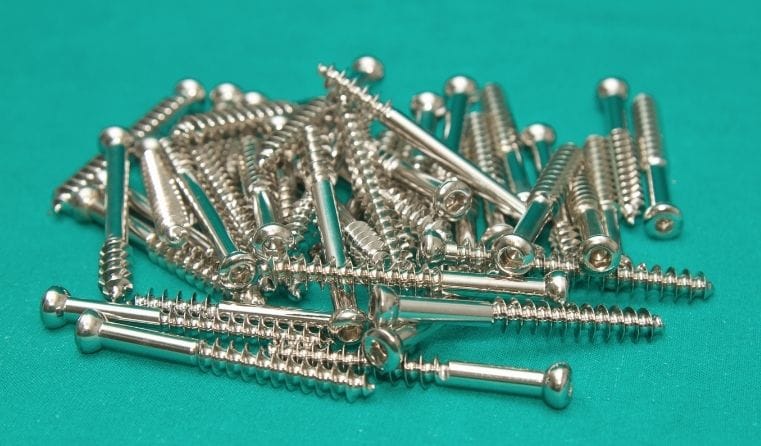
Recent U.S. tariff policies, particularly those imposed on China and parts of Europe, are affecting every link in the orthopedic device supply chain. These tariffs often range from 10% up to 54%, targeting critical imports like titanium, cobalt-chromium alloys, and PEEK plastics.
Key disruptions include:
- Raw Material Costs Rising: Most implant systems rely on imported metals and polymers. Even minor tariffs lead to significant cost inflation across high-precision devices.
- Delayed Manufacturing Timelines: With disrupted access to global suppliers, manufacturers report longer lead times, higher inventory costs, and workflow inefficiencies.
- Hospital Cost Pressures: Many suppliers are forced to pass on tariff-related increases to hospitals and clinics, driving up the cost of surgery and shifting expenses to patients.
Which Orthopedic Companies Are Hit the Hardest by Tariffs?

Not all manufacturers are equally exposed. Some companies, especially startups and smaller firms, are particularly vulnerable due to their reliance on imports and limited ability to shift sourcing.
| Company | Tariff Exposure | Why |
| Stryker, Zimmer Biomet | Moderate | Large global operations with some cost absorption |
| Johnson & Johnson | Moderate | Diversified supply chain helps mitigate risk |
| Arthrex, Globus Medical | Lower | Investing in nearshore manufacturing (Mexico, Costa Rica) |
| Boston Scientific | Low | Minimal orthopedic exposure; less reliance on targeted imports |
| Early-Stage Startups | High | Limited leverage, reliant on outsourced production |
Startups and early-stage firms struggle most. With less capital and fewer sourcing options, these players are more susceptible to component price hikes and regulatory hurdles, slowing product development and market entry.
Which Implants and Segments Are Most at Risk?
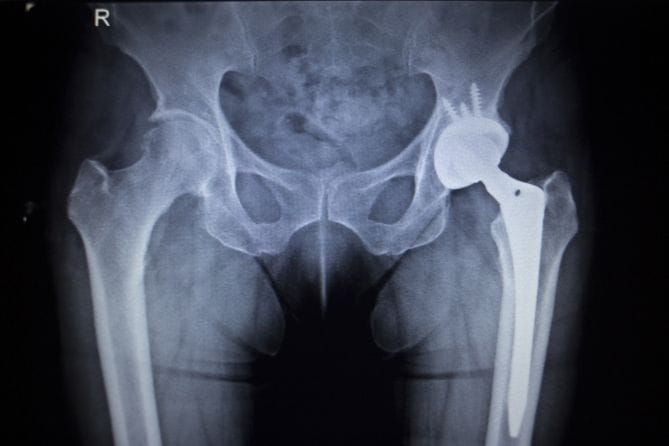
Tariffs don’t hit all devices equally. Certain anatomical segments and implant types carry a higher tariff risk, especially those involving precision-engineered parts or specialized biomaterials.
| Segment/Implant Type | Impact Level | Reason |
| Shoulder & Elbow Reconstruction | High | Require advanced materials, higher import dependency |
| Hand, Wrist, Foot, Ankle | Moderate | Varying complexity and sourcing strategies |
| Total Joint Reconstruction | High | Relies on exact-fit components, often custom-manufactured |
| Internal Fixation Devices | Low–Moderate | Use more standardized parts with broader sourcing options |
Complex reconstructive procedures like shoulder arthroplasty are especially exposed to price and sourcing fluctuations. These devices require custom geometries and biocompatible metals that are often sourced from high-tariff regions.
Why Some Companies Have a Strategic Advantage

Several orthopedic giants are taking proactive steps to avoid the worst of tariff impacts.
- Nearshore Manufacturing: Companies like Arthrex and Globus Medical are building facilities in Mexico and Costa Rica, leveraging favorable U.S. trade agreements and shortening supply chains.
- Supply Chain Diversification: Johnson & Johnson and Stryker are reducing dependency on any single region by spreading procurement and production across multiple global sites.
- Product Exemptions: While rare, some companies seek tariff exemptions for essential medical products, though these are typically limited and unpredictable.
The result?
Larger, well-capitalized companies with robust logistics infrastructure are best positioned to navigate tariff turbulence.
How Tariffs Are Slowing Innovation in Orthopedic Devices
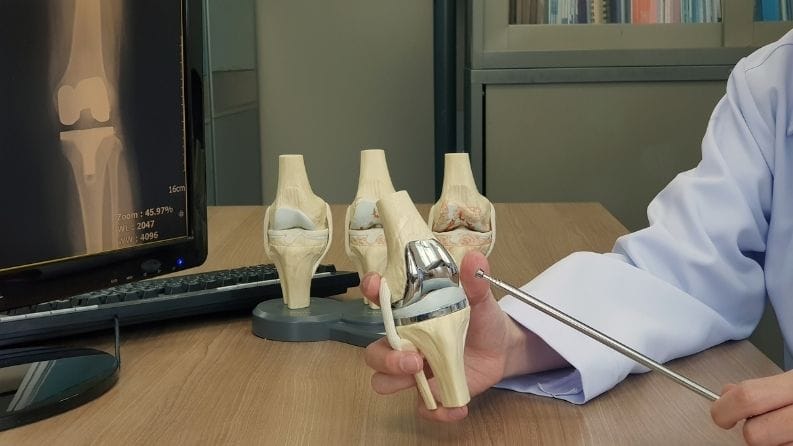
One of the less visible effects of U.S. tariffs is a chilling effect on innovation, especially in smaller firms developing smart implants or next-gen biomaterials.
- Stalled R&D Projects: Startups report difficulty sourcing components for clinical trials or pilot production.
- Longer Regulatory Delays: Higher costs combined with complex approval processes (12–24 months for new systems) are deterring market entry.
- Shift Away From High-Risk Innovation: Some manufacturers are shelving ambitious ideas in favor of lower-cost legacy systems with more predictable margins.
These challenges are especially acute in the small joint sector, where precision and customization are critical to patient outcomes.
Are Tariffs Worsening Access in Emerging Markets?

Emerging markets, especially Southeast Asia, Latin America, and the Middle East, are experiencing rising orthopedic demand but face additional strain from global price inflation. When U.S. or EU-based manufacturers raise prices due to tariffs, these increases often get passed downstream, reducing availability in lower-resource markets.
This hampers adoption of modern implants like:
- 3D-printed small joint systems
- Patient-specific surgical guides
- AI-powered planning software
Without cost flexibility, many hospitals revert to outdated hardware, limiting the global impact of surgical innovation.
Final Thoughts: A Tariff-Era Market Needs Resilience

The global orthopedic landscape is being reshaped, not just by surgical innovation, but by politics and economics. U.S. tariffs are creating cost barriers, supply risks, and slower innovation cycles in the small bone and joint market.
Who wins?
Companies with domestic manufacturing, strong logistics, and broad portfolios.
Who loses?
Startups, import-heavy firms, and the patients in emerging markets who face reduced access to advanced care.
As the market continues to evolve, resilience, in manufacturing, sourcing, and regulatory strategy, will define the next wave of orthopedic leaders.
Turn market painpoints into opportunities
Explore how procedure trends and competitor positioning create clear openings for industry experts in the market.


