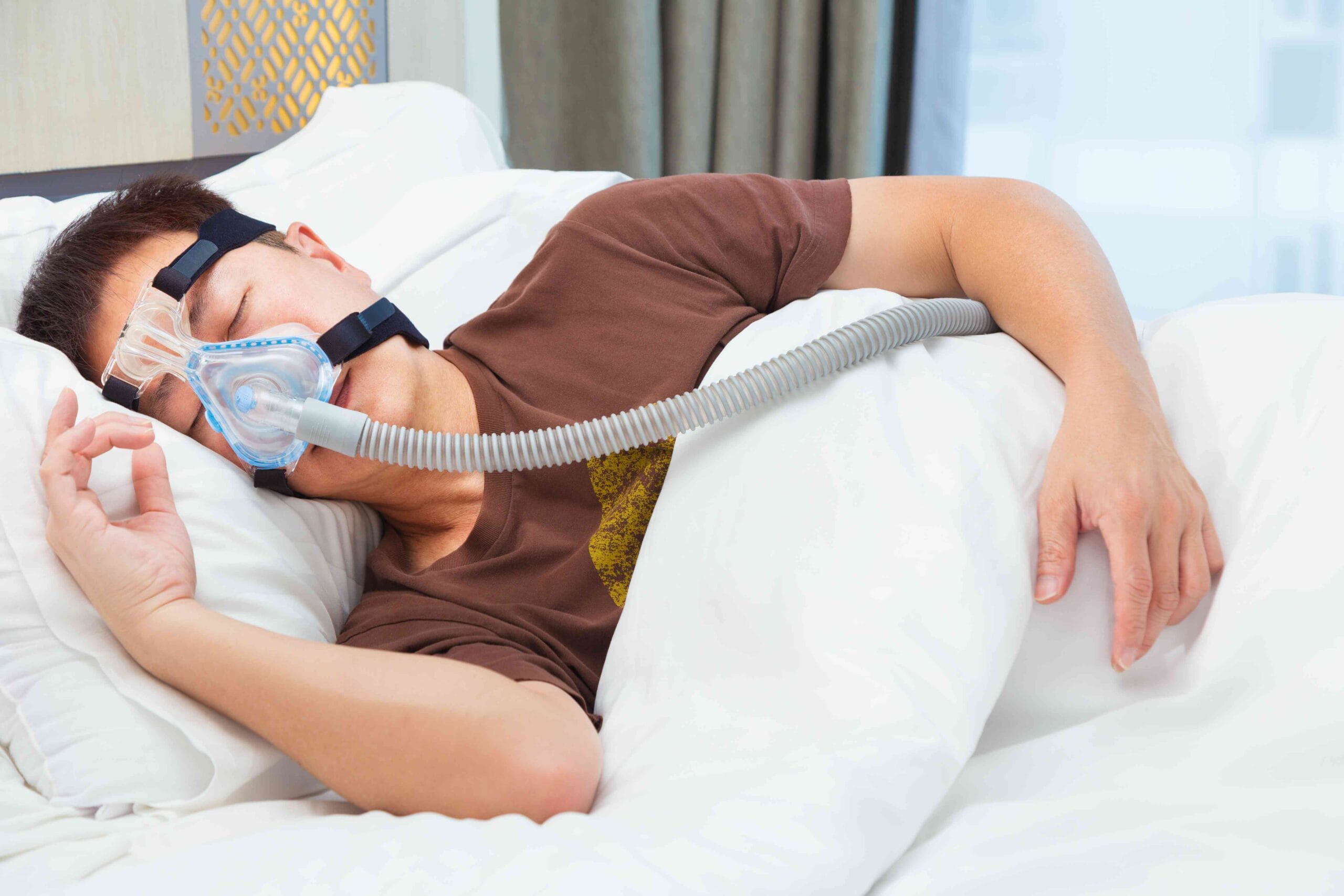
The global sleep apnea device market is the largest single segment of the anesthesia, respiratory and sleep management device market, and the three biggest sleep apnea device companies in 2026 are ResMed, Fisher & Paykel Healthcare, and React Health.
According to iData Research, the wider global market these devices sit inside was valued at $14 billion in 2025 and is forecast to reach roughly $19.2 billion at a compound annual growth rate of 4.7%.
Therapeutic obstructive sleep apnea devices are the biggest piece of that total, and they are also the most concentrated.
This post breaks down how big the sleep apnea device market really is, how fast it is growing, and why three companies control almost all of it.
Find growth niches in minutes, not months.
Explore quick, actionable insights from the select markets.
Table of Contents
➤ How big is the sleep apnea device market
➤ Who are the top sleep apnea device companies in 2026
➤ Why ResMed leads the sleep apnea device market
➤ What makes Fisher & Paykel a top sleep apnea device company
➤ Why React Health ranks third in the sleep apnea device market
➤ What is driving growth in the sleep apnea device market
➤ Sleep apnea device market FAQ
Key Takeaways
- ResMed, Fisher & Paykel Healthcare, and React Health were the top three competitors in the global sleep apnea device market in 2025, per iData Research.
- Those three companies capture close to 90% of the segment, making it the most concentrated market in the anesthesia, respiratory and sleep management category.
- The sleep apnea device market is the largest segment within a $14 billion global market that is forecast to reach about $19.2 billion.
- Growth in the sleep apnea device market is slow and steady rather than explosive, because the category is mature and pricing is well established.
- The biggest upside is undiagnosed patients, since a large share of sleep apnea cases are still never identified or treated.
How big is the sleep apnea device market
The sleep apnea device market is the largest segment within the global anesthesia, respiratory and sleep management device market, which iData Research valued at $14 billion in 2025.
That parent market is projected to grow at a 4.7% compound annual growth rate to approximately $19.2 billion.
Therapeutic obstructive sleep apnea devices sit at the top of that mix by value, ahead of ventilators, oxygen therapy, anesthesia equipment, and sleep diagnostics.
The category covers two main product groups.
The first is positive airway pressure devices, split into continuous (CPAP), auto-titrating (APAP), and bi-level (BiPAP) machines.
The second is sleep therapy interfaces, meaning the masks themselves: nasal masks, full-face masks, and nasal pillow or alternative interfaces.
Sleep diagnostics devices such as polysomnography systems and home sleep tests are tracked as a separate market, led by Natus, ResMed, and Nox Medical.
One number matters more than the headline size: iData Research shows the top three competitors holding close to 90% of the sleep apnea device market, the highest concentration of any segment in the category.
Who are the top sleep apnea device companies in 2026
The three leading sleep apnea device companies are ResMed in first place, Fisher & Paykel Healthcare in second, and React Health in third, based on 2025 global market share from iData Research.
ResMed holds a commanding lead across both machines and masks.
Fisher & Paykel Healthcare is strongest in interfaces, where its mask portfolio is the deepest in the industry.
React Health, formerly 3B Medical, competes as the value-focused alternative with its Luna device platform.
Philips Healthcare was historically ResMed’s closest rival, but the company discontinued 19 sleep and respiratory products in the United States in January 2024 to refocus on consumables, which widened the gap at the top.

Why ResMed leads the sleep apnea device market
ResMed was the number one competitor in the sleep apnea device market in 2025, and that single position is what put it at the top of the entire anesthesia, respiratory and sleep management category.
Its AirSense line of CPAP and APAP machines is the reference product for most prescribers, paired with the myAir patient app and a cloud platform that reports nightly usage back to providers and payers.
In December 2025, ResMed received FDA clearance for Smart Comfort, an AI-enabled feature that recommends personalized comfort settings for new CPAP users.
The company built it using more than 100 million nights of de-identified real-world sleep data, and launched it in a limited United States beta in early 2026 for new myAir users on an AirSense 11.
ResMed also acquired VirtuOx in May 2025, extending its reach further into home sleep testing and the diagnostic step that feeds therapy referrals.
That combination of hardware, software, and diagnostics is why ResMed is difficult to displace.
What makes Fisher & Paykel a top sleep apnea device company
Fisher & Paykel Healthcare ranked second in the global sleep apnea device market in 2025, and its strength is the mask rather than the machine.
Masks are the consumable side of therapy, replaced far more often than the device itself, so a strong interface portfolio produces steady recurring revenue.
The company covers every delivery style, including the F&P Evora, F&P Solo, F&P Vitera, and the ultralight F&P Nova Micro nasal pillow mask.
In January 2026, Fisher & Paykel launched the F&P Nova Nasal mask in the United States, an FDA-cleared nasal design built around one-click SwingFit headgear and a RollFit cushion intended to hold a seal as patients move.
Comfort and fit are not cosmetic details in this market, because they are among the most common reasons patients abandon therapy.
Why React Health ranks third in the sleep apnea device market
React Health held the third position in the sleep apnea device market in 2025, according to iData Research.
The company was previously known as 3B Medical and still sells under that brand in parts of the channel.
Its Luna series covers the core prescription categories, with the Luna II Auto and the newer Luna G3 offering integrated humidification, heated tubing, and cellular or wireless data modules.
React Health also sells its own interfaces, including the Rio II nasal pillow mask and the Numa full-face mask, plus the Lumin UV disinfection unit for equipment cleaning.
Its position in the sleep apnea device market rests on giving durable medical equipment suppliers a lower-cost, fully connected alternative to the two leaders above it.
What is driving growth in the sleep apnea device market
Growth in the sleep apnea device market is steady rather than dramatic, and iData Research places its forecast growth rate in the low single digits through 2032, below the 4.7% average for the wider category.
The reason is maturity, since CPAP has been the standard of care for decades and pricing is well established across most developed markets.
The upside comes from the diagnostic funnel instead.
A 2025 review in the National Library of Medicine found that a large proportion of obstructive sleep apnea cases remain undiagnosed or inadequately managed worldwide, even as diagnosis and treatment options have improved.
Adherence is the other lever, and it is where the newest product development is aimed.
A 2025 cohort study of 1,907 patients published in Sleep and Breathing found that 45% of patients reached high adherence to CPAP two years after starting therapy, and that patients who got there in the first month were far more likely to stay.
That finding explains why ResMed built Smart Comfort around the first few weeks of use, and why Fisher & Paykel keeps releasing lighter and quieter masks.
Aging populations and rising obesity rates continue to expand the underlying patient pool, while cost containment and long replacement cycles hold the growth rate down.
Sleep apnea device market FAQ
Who is the largest sleep apnea device company in the world?
ResMed is the largest company in the global sleep apnea device market, ranked first by iData Research in 2025 across both positive airway pressure devices and sleep therapy interfaces.
How fast is the sleep apnea device market growing?
The sleep apnea device market is growing in the low single digits annually, slower than the 4.7% compound annual growth rate iData Research forecasts for the broader anesthesia, respiratory and sleep management device market.
What types of devices are counted in the sleep apnea device market?
The market includes CPAP, APAP, and BiPAP machines, plus the masks used with them: nasal masks, full-face masks, and nasal pillow interfaces. Diagnostic equipment, such as polysomnography and home sleep tests, is counted separately.
Is the sleep apnea device market competitive?
It is the most concentrated market in its category, with the top three competitors holding close to 90% of global share in 2025, so new entrants typically compete on price or on a specific interface design rather than head-to-head.
Where does sleep apnea fit within the broader medical device industry?
It sits inside respiratory and homecare devices, a space dominated by focused specialists rather than the diversified giants covered in our roundup of the biggest MedTech companies, and it overlaps with connected care trends seen in US patient monitoring equipment.
Full segment sizing, unit volumes, average selling prices, and ten-year forecasts are available in the iData Research Global Anesthesia, Respiratory and Sleep Therapy Devices Market report.
Turn market painpoints into opportunities
Explore how procedure trends and competitor positioning create clear openings for industry experts in the market.


