Orthopedic Innovations in small bone and joint devices are transforming care in 2025, from 3D-printed implants and AI-driven planning to minimally invasive techniques driving better outcomes worldwide.
The global small bone and joint orthopedic device market (scapula, elbow, wrist, foot, ankle) was valued at $5.6 billion in 2024 and is forecast to reach over $8.1 billion by 2031, growing at a 5.6% CAGR. Demand is rising across regions as surgical techniques evolve and emerging markets gain orthopedic infrastructure.
This blog examines emerging technologies and markets transforming the orthopedic landscape in 2025, with a focus on minimally invasive tools, 3D‑printed implants, AI‑powered planning, and regional adoption trends.
Find growth niches in minutes, not months.
Explore quick, actionable insights from the select markets.
Table of Contents
➜ Orthopedic Innovations Driving Growth in the Small Bone & Joint Device Market
➜ Emerging Markets Fueling Orthopedic Innovation in Small Joint Treatments
➜ Minimally Invasive Orthopedic Innovations with Patient-Specific Implants
➜ 3D‑Printed Orthopedic Innovations: Custom Solutions for Trauma & Revisions
➜ AI‑Powered Orthopedic Innovations in Preoperative Planning for Small Joints
➜ What These Orthopedic Innovations Mean for Hospitals, Clinics & Manufacturers
➜ Orthopedic Innovation in 2025 Final Thoughts
➜ Get a Complimentary Small Bone and Joint Market Report Summary
Key Takeaways
- The global market is expanding from $5.6B in 2024 to $8.1B by 2031.
- Emerging markets (APAC, Latin America, Middle East, Africa) offer high-growth potential amid rising demand and expanded infrastructure.
- Minimally invasive, patient-specific implants and 3D-printed customized devices are reshaping small bone and joint surgery.
- AI preoperative planning tools promise better alignment, fewer complications, and consistent outcomes.
- Ambulatory surgical centers and outpatient pathways are redefining the standard of orthopedic care.
Orthopedic Innovations Driving Growth in the Small Bone & Joint Device Market

In 2024, North America held the largest share of the global small bone & joint orthopedic device market, followed by Asia-Pacific, Western Europe, Central & Eastern Europe, Latin America, the Middle East, and Africa.
Although Africa currently represents the smallest share, it is projected to experience the fastest growth, supported by expanding surgical training and infrastructure, at 7.8% CAGR.
The shoulder reconstruction segment remains the largest, fueled by rising use of reverse shoulder arthroplasty and stemless implant designs.
Emerging Markets Fueling Orthopedic Innovation in Small Joint Treatments

Note: To Learn More, Request A Complimentary Small Bone and Joint Devices Market Executive Summary.
Emerging markets like Southeast Asia, Latin America, and the Middle East are accelerating adoption of shoulder and small‑joint procedures.
Asia-Pacific is emerging as a high-growth region for reverse total shoulder arthroplasty (RTSA), driven by rising demand among aging yet physically active populations, particularly in urban centers that are rapidly adopting advanced shoulder implant technologies.
Urban centers in these regions are investing in surgical training, logistic infrastructure, and implant accessibility.
As a result, procedure volume is rising even in previously underserved areas that once relied primarily on legacy devices.

Minimally Invasive Orthopedic Innovations with Patient-Specific Implants
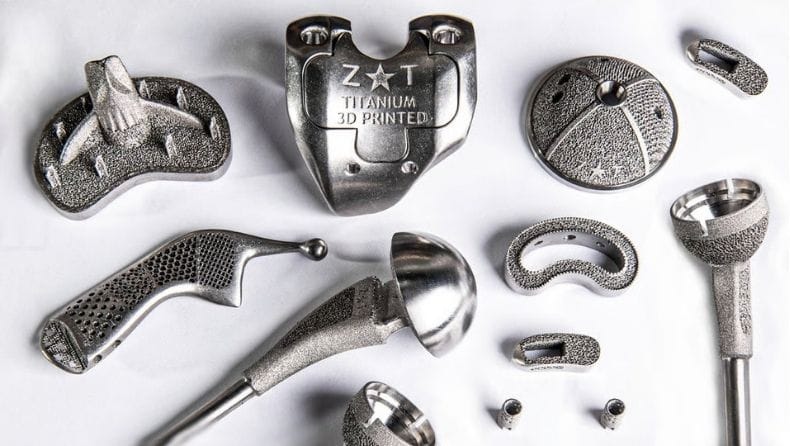
Low-profile anatomical implants, advanced fixation systems, and 3D preoperative planning are transforming small-joint surgeries from wrist to ankle.
These tools preserve bone, reduce trauma, and enable same-day discharge in ASCs.
Why It Matters
Better outcomes: A 2024 BMC Musculoskeletal Disorders study found 3D‑printed models cut surgery time and improved implant accuracy.
Higher efficiency: Medicina (2025) reported CT-based navigation in reverse shoulder arthroplasty reduced screw use and preserved bone.
ASC growth: CMS (2025) noted 3.4M outpatient procedures in ASCs, with orthopedics among the fastest-growing.
In Practice
Surgeons use CT-based tools to optimize screw placement, 3D models to pre-plan complex fractures, and streamlined workflows to safely discharge patients the same day.
These innovations are reshaping orthopedic care with greater precision, faster recovery, and lower costs.
3D‑Printed Orthopedic Innovations: Custom Solutions for Trauma & Revisions
@viz.med 3D-printed implant in your ankle! This surgery replaces a severely damaged or diseased talus bone. #talusbone #surgery #ankle #bone #3dprinted #implants #medicaleducation #medicalanimation #3danimationsurgery #3danimation
Hospitals are integrating digital design labs to create implants tailored to CT scans, enabling faster surgical preparation.
Once limited to elite centers, growing access and cost reductions are pushing these technologies into broader clinical use, making custom care a realistic option for more patients.
How 3D Tech Is Reshaping Shoulder Surgery
Clinical precision: A 2024 Journal of Orthopaedic Surgery and Research study reported patient-specific 3D implants reduced complication rates in revision surgeries by over 20%.
Scalability gains: With digital workflows, production times are shrinking, making custom implants increasingly viable outside top-tier hospitals.
Regenerative potential: Researchers at the University of Melbourne (2024) highlighted how 3D-printed porous structures promote bone ingrowth, strengthening long-term outcomes.
3D‑printed implants are reshaping trauma and revision surgeries by offering patient-specific solutions where standard devices fall short.
In cases of severe bone loss or unusual anatomy, these implants ensure a superior fit, enhanced fixation, and improved joint function.
📌 The Most-Used Orthopedic Devices for Common Injuries — Some May Surprise You:
➜ Top 5 Most Common Orthopedic Traumas and the Devices Used to Treat Them
AI‑Powered Orthopedic Innovations in Preoperative Planning for Small Joints
Artificial intelligence is quietly transforming how surgeons prepare for small joint procedures. Rather than relying solely on manual measurements, AI platforms now analyze imaging data to predict implant size, simulate joint mechanics, and suggest optimal alignment.

These tools matter because they minimize surgical guesswork.
When alignment is precise, outcomes improve – patients regain motion faster, and revision risks drop.
A 2024 study from Johns Hopkins University found AI-driven planning reduced alignment errors in shoulder arthroplasty by nearly 30% compared to traditional methods.
Hospitals adopting these systems also see efficiency gains. Shorter pre-op planning times free up surgical teams, while better accuracy translates into fewer complications and lower overall costs, key priorities in value-based care environments.
With ongoing refinements, AI planning is shifting from experimental use to mainstream integration, especially in centers aiming to standardize results across high procedure volumes.
What These Orthopedic Innovations Mean for Hospitals, Clinics & Manufacturers
- Hospitals & ASCs: Reduced recovery time, improved outcomes, and better throughput support broader adoption of MIS and outpatient care.
- Clinics: Access to modular, low-profile implants helps meet growing patient expectations in urban and suburban markets.
- Manufacturers: Companies that offer integrated solutions – 3D printing, AI planning tools, training – stand to lead. Meeting regulatory standards remains critical, as device approval across regions can lag legacy systems by 12–24 months.
Orthopedic Innovation in 2025 Final Thoughts
By focusing on efficiency, precision, and accessibility, the small bone and joint orthopedic space is rapidly evolving.
Looking ahead to 2025, innovations in minimally invasive techniques, digital planning, and manufacturing are unlocking growth across emerging markets, driving a global shift toward smarter, more personalized orthopedic care.
📌 Learn More About the Orthopedic Devices Market Forecast to 2030:
Turn market painpoints into opportunities
Explore how procedure trends and competitor positioning create clear openings for industry experts in the market.


