
The first robotic heart transplant took place in the US in March 2025 – medical history was made when surgeons at Baylor St. Luke’s Medical Center performed the first fully robotic heart transplant in the United States using Intuitive’s da Vinci robotic system.
This groundbreaking procedure represents a monumental leap forward in cardiac surgery, demonstrating how advanced robotics can transform life-saving transplant operations.
🔗 iData’s latest robotics press release on MedTech Dive ->
Find growth niches in minutes, not months.
Explore quick, actionable insights from the select markets.
Table of Contents:
➜ What is the Intuitive da Vinci System Used in Robotic Heart Transplant?
➜ First Robotic Heart Transplant in US: The Breakthrough Procedure
➜ How Does Robotic Heart Transplant Surgery Work?
➜ Benefits of da Vinci Robotic Heart Transplant vs Traditional Surgery
➜ Future of Robotic Heart Transplant Technology
➜ Explore Comprehensive U.S. Surgical Robotics and Navigation Market Report Today
Key Takeaways
- Historic Achievement: Baylor St. Luke’s Medical Center performed the first fully robotic heart transplant in US history using Intuitive’s da Vinci system
- Minimally Invasive: The procedure avoided opening the chest entirely, using only a 5-inch incision above the belly button
- Successful Outcome: The patient recovered without complications and was discharged after one month
- Revolutionary Technology: The da Vinci system’s millimeter-level precision enabled this complex transplant operation
- Global Impact: This follows the world’s first robotic heart transplant performed in Saudi Arabia in 2024
What is the Intuitive da Vinci System Used in Robotic Heart Transplant?
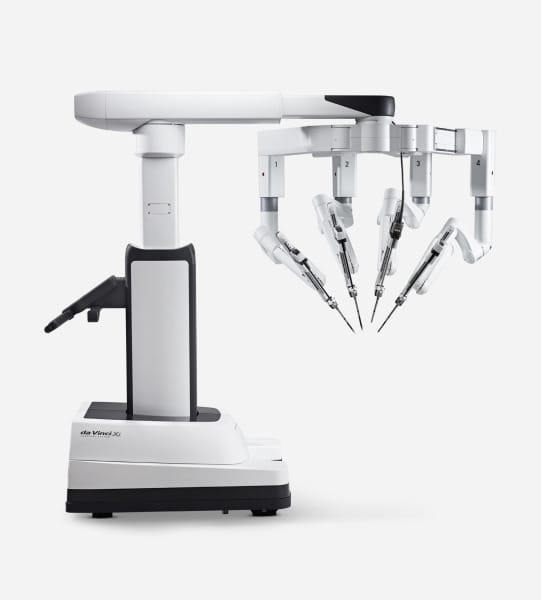
The Intuitive da Vinci system is a state-of-the-art robotic platform that enhances surgical precision, dexterity, and visualization. Used by Baylor surgeons for the first U.S. robotic heart transplant, it allows operators to control robotic arms from a console, translating their hand movements into ultra-precise micro-movements while filtering tremors. Its 3D HD vision system and scaled motion make it a game-changer for minimally invasive procedures.
Key Features of da Vinci System for Heart Transplant:
- 3D High-Definition Vision: Provides magnified, crystal-clear views of the surgical site
- Wristed Instruments: Offer greater range of motion than the human hand
- Tremor Filtration: Eliminates natural hand tremors for enhanced precision
- Ergonomic Design: Reduces surgeon fatigue during lengthy procedures
- Millimeter-Level Accuracy: The robot’s millimeter-level precision allowed the team to operate through small incisions with unprecedented accuracy
📌 Learn More About Robotic Surgery:
First Robotic Heart Transplant in US: The Breakthrough Procedure

For the first time in U.S. history, a human heart was transplanted without opening the chest. No rib spreaders. No saw. No cracked sternum. This represents a complete shift from traditional cardiac surgery methods that have been used for decades.
In March 2025, Dr. Kenneth K. Liao and his team at Baylor St. Luke’s Medical Center made history by performing the first fully robotic adult heart transplant in the U.S.
The patient, Rosales Ibarra, was chosen for his ideal anatomy – an average build and larger heart size, allowing for a broader donor match.

What Made This Procedure Unique:
- No Chest Opening: Unlike traditional heart transplants requiring a median sternotomy (chest-splitting), this procedure preserved the chest wall integrity
- Belly Button Access: the medical team went through a 5-inch incision above the patient’s belly button. The patient’s bad heart was pulled underneath his breastbone
- Fully Robotic: Every aspect of the transplant was performed using the da Vinci robotic system
- Adult Patient: This was the first adult robotic heart transplant in the US, following earlier pediatric procedures internationally
📌 Learn More About Minimally Invasive Robotic Surgery:
➜ Robotic Surgery: Minimally Invasive Procedures on the Rise
How Does Robotic Heart Transplant Surgery Work?
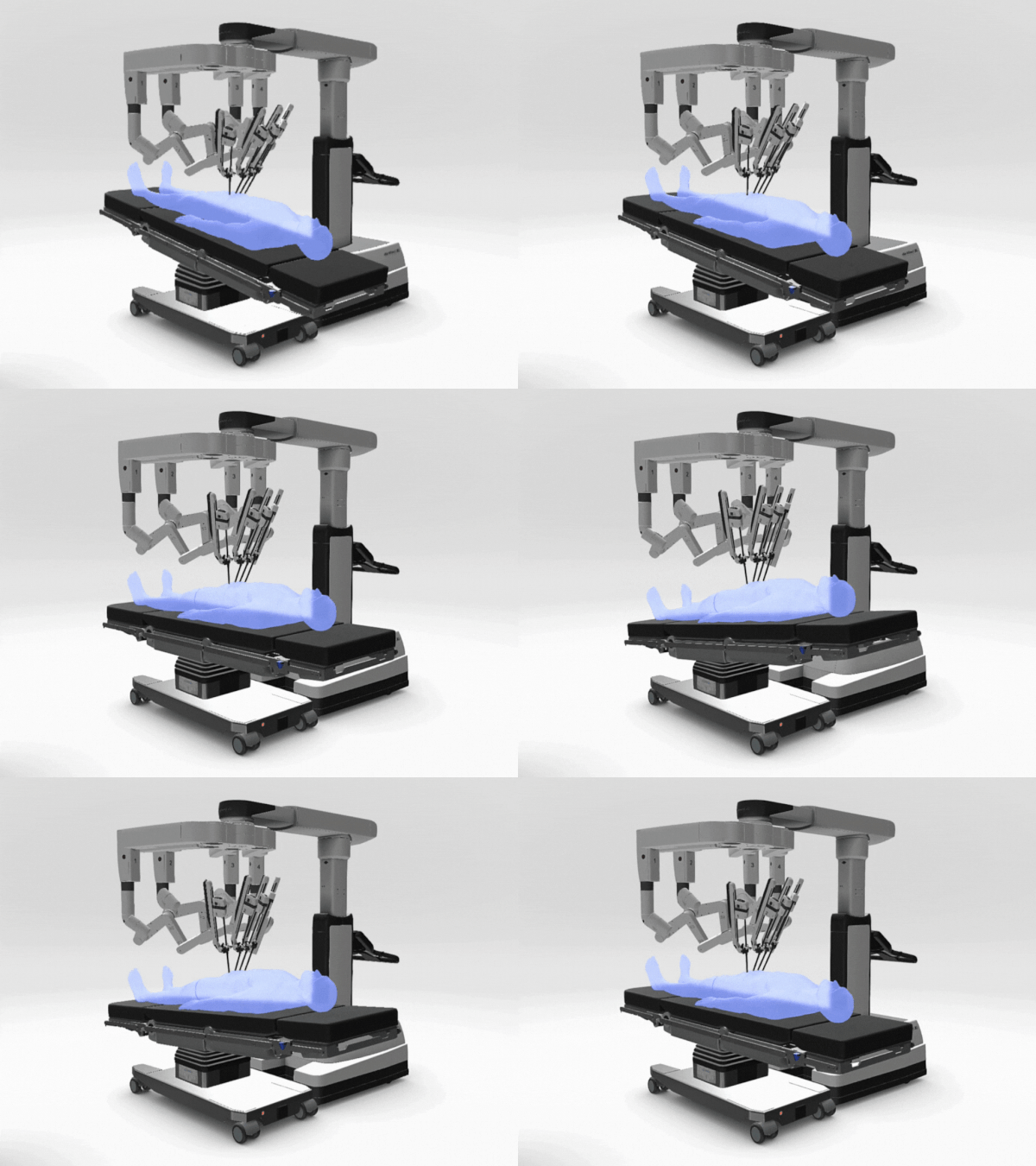
Traditional heart transplantation requires surgeons to cut through the breastbone and spread the ribs to access the heart, a highly invasive approach that results in significant trauma to the chest wall.
In contrast, the da Vinci robotic heart transplant uses a minimally invasive approach:
The Surgical Process:
- Small Incision Access: A 5-inch incision is made above the patient’s belly button
- Robotic Arm Positioning: Multiple da Vinci robotic arms are positioned for optimal access
- 3D Visualization: High-definition cameras provide detailed internal views
- Heart Removal: The diseased heart is carefully removed through the small incision
- Donor Heart Implantation: The new heart is positioned and connected using robotic precision
- Vascular Connections: Blood vessels are meticulously connected with robotic assistance
This innovative approach eliminates the need for chest wall destruction while maintaining the precision required for successful heart transplantation.
Benefits of da Vinci Robotic Heart Transplant vs Traditional Surgery

The da Vinci robotic heart transplant offers major advantages over traditional open-chest surgery. By avoiding a full sternotomy, the procedure reduces physical trauma, blood loss, and infection risk.
Patients benefit from faster healing, less pain, shorter hospital stays, and minimal scarring. The robotic system enhances surgical precision through tremor elimination, 360° instrument movement, and high-definition 3D visualization.
Long term, patients retain better respiratory function and chest wall integrity, no broken ribs, no cracked sternum, and a significantly smoother recovery.
Future of Robotic Heart Transplant Technology
While this was the first robotic heart transplant in the US, the global landscape shows rapid advancement in this technology. The pediatric case in Saudi Arabia in 2024 paved the way for this adult procedure, demonstrating the international nature of medical innovation.
The successful completion of the first robotic heart transplant in US history opens new possibilities for cardiac surgery and patient care. This achievement builds upon previous milestones, as The first fully robotic heart transplant in the world happened in Saudi Arabia in 2024. That patient was 16. The U.S. case is the first adult transplant done entirely robotically without opening the chest.
Expanding Applications:
The success of this procedure suggests several future developments:
- Broader Patient Eligibility: More patients may become candidates for robotic transplant
- Multiple Organ Transplants: Technology could extend to other organ transplant procedures
- Complex Cardiac Procedures: Other heart surgeries may adopt robotic approaches
- Training Programs: Medical centers will need to develop robotic surgery training protocols
Technology Advancement Opportunities:
Future improvements in robotic heart transplant technology may include:
- Enhanced Imaging: Even more sophisticated visualization systems
- Artificial Intelligence Integration: AI-assisted surgical planning and execution
- Haptic Feedback: Tactile sensation for robotic instruments
- Automated Procedures: Partially automated surgical steps for routine tasks
📌 Learn More About Surgical Robotics in 2025:
➜ Hospital Adoption of Surgical Robotics in 2025: Key Drivers & Challenges
Turn market painpoints into opportunities
Explore how procedure trends and competitor positioning create clear openings for industry experts in the market.


