
Remote patient monitoring market (RPM market) is quickly becoming a key pillar of modern healthcare. By allowing patients to track their vital signs at home and transmit data to care teams in real time, RPM helps reduce hospital visits, lower costs, and improve long-term health outcomes. In 2024, the global RPM market was valued at nearly $5.1 billion and is projected to surpass $10 billion by 2030.
This blog explores what’s driving RPM market growth, from disease-specific use cases to evolving technology platforms, and what healthcare providers, manufacturers, and investors should expect in the years ahead.
Find growth niches in minutes, not months.
Explore quick, actionable insights from the select markets.
Table of Contents
➜ What Is Remote Patient Monitoring (RPM)?
➜ How Big Is the Remote Patient Monitoring Market in 2025?
➜ What Are the Components of Remote Patient Monitoring Solutions?
➜ Remote Patient Monitoring Use Cases for Cardiac Device Monitoring
➜ Chronic Disease Management and Remote Patient Monitoring: COPD, Diabetes, Hypertension
➜ Heart Conditions and Pacemaker Monitoring at Home
➜ Remote Patient Monitoring Market Trends and Barriers to Watch
↳ Key Remote Patient Monitoring Market Growth Drivers
↳ Key Remote Patient Monitoring Market Challenges
➜ Where the Remote Patient Market Is Headed
➜ Get a Global Remote Patient Monitoring Equipment Market Summary
Key Takeaways
- The RPM market was valued at $5.1B in 2024 and is projected to grow at a CAGR of 10.3%, reaching over $10B by 2030.
- RPM includes monitoring tools for cardiac implants, chronic conditions, and vital signs like blood pressure, glucose, and oxygen levels.
- Key drivers include aging populations, cost pressure, hospital readmission penalties, and expanded reimbursement in some markets.
- Disease management RPM (e.g., diabetes, COPD) is growing faster than cardiac implant monitoring.
- Barriers include reimbursement gaps, particularly in emerging markets, and interoperability challenges.
What Is Remote Patient Monitoring (RPM)?
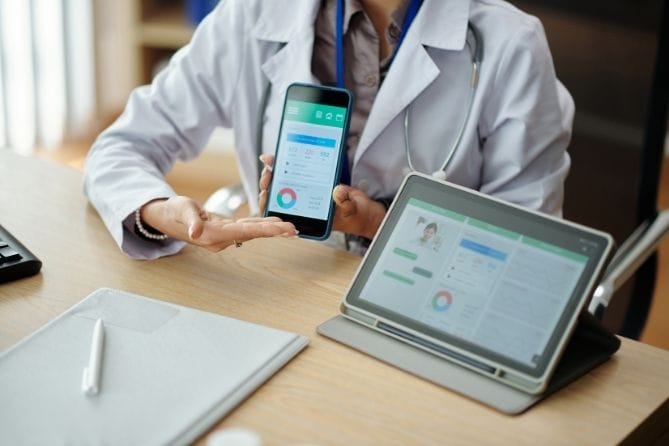
Remote patient monitoring involves tracking a patient’s health data from outside traditional clinical settings, often from home.
Data from devices like blood pressure cuffs, glucose monitors, and weight scales is sent to healthcare providers via cellular, Bluetooth, or internet connections.
This enables timely interventions and supports chronic disease management, especially for high-risk patients.
How Big Is the Remote Patient Monitoring Market in 2025?
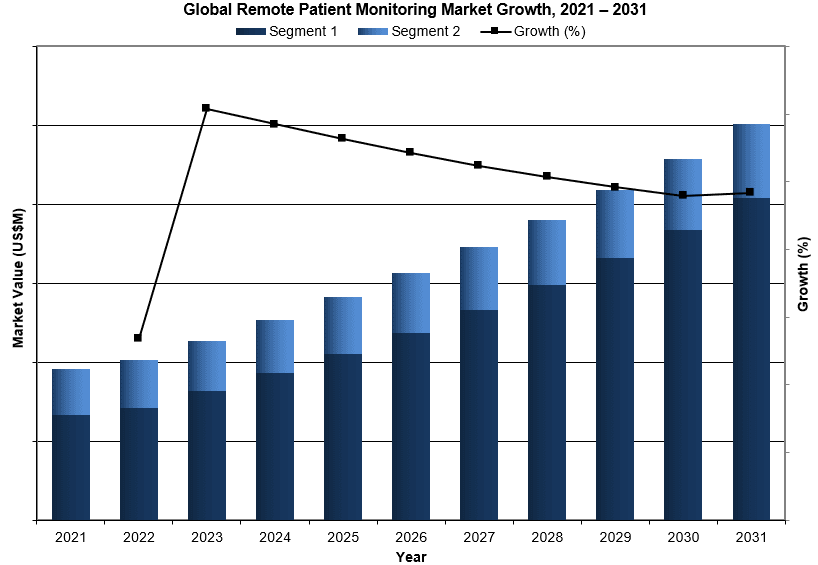
(Note: to see the full graph, download our 2025 – 2031 Global Patient Monitoring Equipment Market Report)
The global RPM market reached $5.1 billion in 2024 and is on pace to grow to over $10 billion by 2030. This growth is largely fueled by:
- Rising prevalence of chronic diseases
- Wider adoption of home-based care models
- Medicare and private payer support for RPM codes
- Growing interest in digital health platforms post-pandemic
Remote patient monitoring is rapidly evolving from a niche offering to a central pillar of value-based, tech-enabled care delivery.
What Are the Components of Remote Patient Monitoring Solutions?
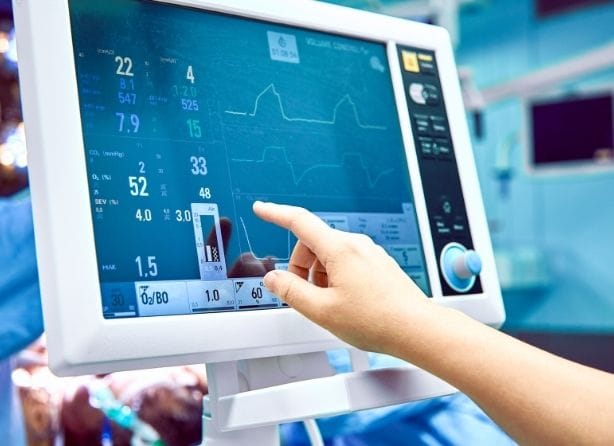
RPM systems typically include:
- Peripheral Devices: blood pressure monitors, pulse oximeters, weight scales, and glucose meters
- Transmission Technology: Bluetooth, cellular, GSM, or broadband for real-time data transfer
- Monitoring Platforms: software dashboards accessible by patients and providers to visualize trends and trigger alerts
These systems are often tailored to specific disease conditions or patient risk categories.
Remote Patient Monitoring Use Cases for Cardiac Device Monitoring
Modern cardiac devices like pacemakers, implantable cardioverter defibrillators (ICDs), and loop recorders now come with remote monitoring capabilities.
These devices automatically send performance and health status data to physicians, reducing the need for in-person checkups.
Benefits include:
- Early detection of device malfunction
- Automated alerts for arrhythmias
- Reduced in-office follow-up visits
- Improved adherence to post-implant protocols
Chronic Disease Management and Remote Patient Monitoring: COPD, Diabetes, Hypertension
RPM is particularly effective for managing long-term conditions:
Chronic Obstructive Pulmonary Disease (COPD)
Patients with COPD benefit from daily symptom tracking and oxygen saturation monitoring. This helps providers adjust treatment plans before flare-ups require emergency care.
Diabetes
RPM-enabled glucose monitors and smart insulin delivery systems allow tight glucose control. Paired with app-based tracking, these tools support better glycemic outcomes and reduce complications.
Hypertension
Blood pressure cuffs connected to RPM systems help track daily trends and guide medication adjustments. Remote data review helps avoid “white coat hypertension” and supports proactive care plans.
Heart Conditions and Pacemaker Monitoring at Home
Conditions like bradycardia and tachycardia often require implanted cardiac devices. RPM adds another layer of care:
- Pacemakers continuously monitor heart rhythms and auto-correct irregularities
- Remote follow-ups reduce clinic visits and catch anomalies earlier
- Longitudinal data improves clinical decision-making for both new and existing implants
Remote Patient Monitoring Market Trends and Barriers to Watch
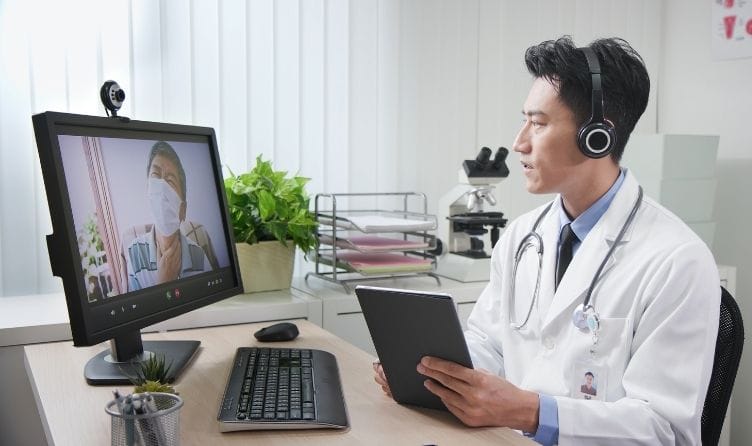
Key Remote Patient Monitoring Market Growth Drivers
- Improved Connectivity and Technology:
With faster wireless networks and better data security, clinicians can now monitor patients in real time using Bluetooth-enabled devices. In urban areas, hospitals are integrating platforms that instantly upload vital sign readings from home to a clinician dashboard. - Cost Pressure on Healthcare Systems:
RPM solutions help reduce hospital readmissions and emergency visits. For example, a hospital using RPM for heart failure patients may avoid thousands of dollars per patient in readmission penalties by identifying deterioration early and adjusting medications remotely. - Demand for Personalized Healthcare:
Patients want care tailored to their needs. A person with diabetes might use a Bluetooth glucose monitor and a mobile app to share their readings with a care team, while another with hypertension may only need a smart blood pressure cuff. RPM lets providers select device bundles based on each case. - Shortage of Healthcare Professionals:
In many rural and underserved regions, RPM offers a lifeline. Instead of traveling hours to a clinic, a COPD patient can check in weekly with a nurse via a monitoring portal. This improves access without overburdening limited staff.
Key Remote Patient Monitoring Market Challenges
- Lack of Reimbursement in Some Regions:
In countries like parts of Eastern Europe or in some U.S. states without strong telehealth mandates, RPM services often aren’t reimbursed. This discourages adoption since the costs fall on the clinic or the patient. - System Compatibility and Interoperability:
Many RPM tools don’t integrate with hospital EHRs (electronic health records). A clinic may receive data from a home ECG device, but if the platform doesn’t sync with their existing system, clinicians may skip using it or revert to manual processes. - Patient Compliance and Usability:
Older patients unfamiliar with technology may struggle to operate devices. For instance, someone in their 70s might forget to charge a glucose meter or may misinterpret an error message. Poor compliance reduces data accuracy and clinical effectiveness. - Competitive Pricing and Market Pressure:
With more companies entering the RPM space, device prices are dropping. While this benefits clinics and payers, it may challenge smaller vendors trying to compete with giants like Medtronic or Philips, especially in contracts with large hospital groups.
Where the Remote Patient Market Is Headed
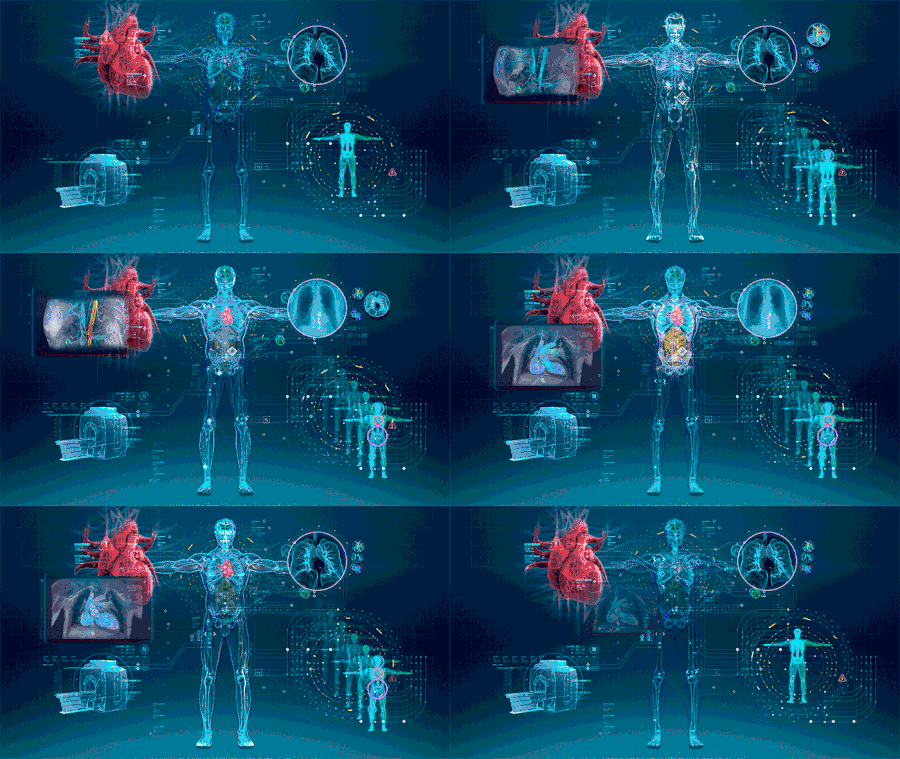
The future of RPM lies in integrated care models, with platforms that unify chronic condition management, cardiac monitoring, and telehealth services. Expect to see:
- AI-powered trend detection and clinical decision support
- Broader RPM adoption in employer health plans
- More disease-specific RPM bundles targeting diabetes, CHF, and post-discharge care
As digital health matures, remote patient monitoring will be central to managing population health, while lowering costs and improving care outcomes.
Turn market painpoints into opportunities
Explore how procedure trends and competitor positioning create clear openings for industry experts in the market.


