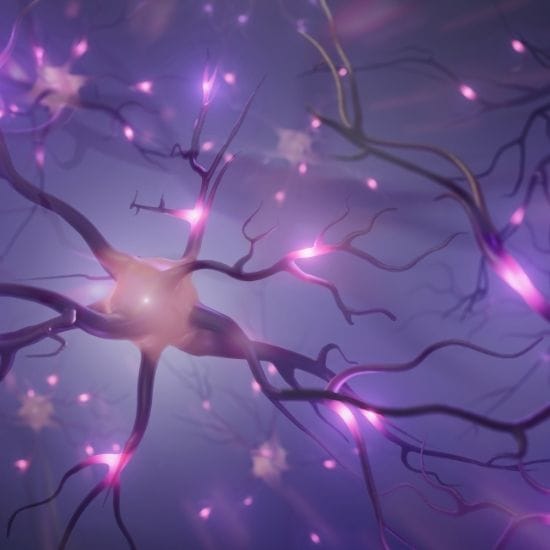
Closed-Loop Neurostimulation is shifting the field from fixed, one-size-fits-all therapy to devices that adapt in real time to a patient’s brain or nerve activity. The most compelling near-term opportunities sit in Parkinson’s deep brain stimulation (DBS) and chronic pain spinal cord stimulation (SCS), where commercial momentum is now matching clinical momentum.
While brain-computer interfaces dominate mainstream headlines, Closed-Loop Neurostimulation is where multi-billion-dollar market volume is actually shifting today. This article breaks down the trends, leading players, and growth drivers shaping the next phase of neuromodulation.
Table of Contents
➜ What is closed-loop neurostimulation?
➜ Why closed-loop is reshaping the neuromodulation market
➜ BrainSense adaptive DBS for Parkinson’s disease
➜ Closed-loop spinal cord stimulation for chronic pain
➜ Leading neuromodulation device companies
➜ Global neuromodulation device market size and forecast
➜ Key drivers of closed-loop neurostimulation growth
Key Takeaways
- The global neuromodulation device market was valued at $5.9 billion in 2025 and is projected to reach $8 billion at a 4.4% CAGR.
- Spinal cord stimulation remains the largest neuromodulation segment by both procedure volume and market value.
- Medtronic, Abbott, and Boston Scientific are the three leading global competitors in 2025.
- FDA approval of Medtronic’s BrainSense adaptive DBS in February 2025 marked the first commercial closed-loop DBS launch for Parkinson’s.
- Globus Medical completed its $250 million acquisition of Nevro on April 3, 2025, expanding its closed-loop SCS footprint.
Find growth niches in minutes, not months.
Explore quick, actionable insights from the select markets.
What is closed-loop neurostimulation?
Closed-loop neurostimulation, also called adaptive neurostimulation, is a class of implantable therapy that records electrical signals from the brain or nervous system in real time, then automatically adjusts the stimulation it delivers based on those signals.
In Parkinson’s disease, the sensed input is typically a local field potential biomarker such as beta-band oscillations in the basal ganglia. In chronic pain, it can be evoked compound action potentials in the spinal cord.
The contrast with conventional, open-loop devices is significant. Open-loop systems deliver a fixed dose of stimulation regardless of how the patient feels at any given moment, while closed-loop systems titrate therapy continuously to the patient’s changing physiology, as outlined in a recent NIH-indexed review on adaptive DBS.
Why closed-loop is reshaping the neuromodulation market
The global neurological device market was valued at $12.2 billion in 2025 and is expected to reach $16.1 billion at a 4.1% CAGR. Neuromodulation represents one of the largest shares within this market, followed by neurovascular thrombus management and neurovascular catheters.
Neuromodulation procedures are expected to grow at a high-single-digit rate, with the highest growth observed in Asia-Pacific, followed by the Middle East and Africa. Closed-loop systems sit at the technology frontier of this segment and are concentrated in the highest-value indications: Parkinson’s DBS and chronic pain SCS.
That concentration matters commercially. Spinal cord stimulation alone represents the largest neuromodulation sub-segment by both procedure volume and revenue, which makes it the natural beachhead for closed-loop innovation.
BrainSense adaptive DBS for Parkinson’s disease
In February 2025, the U.S. FDA approved Medtronic’s BrainSense Adaptive DBS and BrainSense Electrode Identifier systems for the treatment of Parkinson’s disease. The system updates the Percept DBS platform to enable stimulation that automatically responds to fluctuations in brain activity.
Approval was supported by the ADAPT-PD trial, an international, multicenter, prospective, single-blind randomized crossover study that compared chronic adaptive DBS modes to continuous DBS. Investigators reported personalized symptom control that adjusts in real time to a patient’s evolving needs.
According to a Stanford Medicine report, the underlying research originated in Stanford’s neuromodulation lab and represents more than a decade of work translating sensing-enabled DBS into a commercial product. For Parkinson’s patients, this means therapy that scales up during symptom flares and scales back during quieter periods.
Closed-loop spinal cord stimulation for chronic pain
Chronic pain is the second major commercial pathway for closed-loop neurostimulation. Modern SCS systems now integrate sensing electronics that detect a patient’s neural response to each stimulation pulse and adjust amplitude accordingly.
The competitive map shifted in 2025. According to an SEC Form 8-K filing, Globus Medical completed its acquisition of Nevro on April 3, 2025, in a transaction valued at approximately $250 million. The deal brings Nevro’s HFX SCS platform, including the Senza system and the AI-enabled HFX iQ system, under the Globus umbrella.
For a closer look at the technology curve in this space, see iData Research’s overview of how spinal implants are evolving in 2025.
Leading neuromodulation device companies
Three companies anchor the global neuromodulation device market in 2025.
Medtronic holds the leading position, competing across spinal cord stimulation, deep brain stimulation, sacral nerve stimulation with InterStim, and gastric electric stimulation. BrainSense Adaptive DBS adds a closed-loop layer on top of the existing Percept platform.
Abbott is the second-leading competitor. The company offers the Proclaim Elite recharge-free SCS system in two sizes and the Prodigy MRI SCS system, its smallest implantable pulse generator with BurstDR stimulation. Abbott remains the only competitor offering this specific configuration.
Boston Scientific holds the third position. Its Precision line of spinal cord stimulation systems includes the Montage, Spectra, Plus, and Novi products. With the Globus and Nevro integration completing in 2025, the SCS segment now has a fourth scaled competitor reshaping share dynamics.

Global neuromodulation device market size and forecast
The global neuromodulation device market was valued at $5.9 billion in 2025 and is forecast to reach $8 billion at a 4.4% CAGR. Growth is driven primarily by volume expansion across procedure types, while average selling prices are expected to soften slightly under competitive pressure.
Spinal cord stimulation is the largest segment by both procedure volume and market value, followed by deep brain stimulation, sacral nerve stimulation, vagus nerve stimulation, and gastric electric stimulation. Procedure volumes are projected to continue rising through the forecast window, with the steepest growth in Asia-Pacific.
Key drivers of closed-loop neurostimulation growth
Several forces are converging to expand the closed-loop opportunity.
Technological advancement is the largest. Prolonged battery life in implantable, rechargeable SCS is increasingly attractive to patients, with one approved system rated for up to 11 years of battery life. Higher-frequency stimulation, burst stimulation, and wireless injectable devices are entering the market alongside sensing capability.
The shift to rechargeable implants is reinforcing the trend. All major SCS manufacturers now offer rechargeable systems, which reduce revision surgeries and long-term cost compared to primary-cell generators, and they are notably less expensive than non-rechargeable options.
Finally, low penetration matters. Despite SCS devices having existed since the early 1970s, the global market is not saturated, and the number of treated patients remains a small fraction of the eligible population. Replacement cycles every three to ten years compound the volume base.
Frequently asked questions
What is the difference between closed-loop and open-loop neurostimulation?
Open-loop neurostimulation delivers a fixed pattern of stimulation regardless of the patient’s real-time neural state. Closed-loop neurostimulation senses neural biomarkers such as local field potentials or evoked compound action potentials and automatically adjusts the stimulation in response.
How big is the global neuromodulation device market?
The global neuromodulation device market was valued at $5.9 billion in 2025 and is projected to reach $8 billion at a 4.4% CAGR, with spinal cord stimulation as the largest segment.
Which company leads the closed-loop neurostimulation market?
Medtronic leads the overall neuromodulation device market in 2025 and holds an early position in commercial closed-loop DBS following FDA approval of its BrainSense Adaptive DBS system in February 2025.
Is adaptive deep brain stimulation FDA approved?
Yes. The FDA approved Medtronic’s BrainSense Adaptive DBS and BrainSense Electrode Identifier for Parkinson’s disease on February 24, 2025, supported by data from the ADAPT-PD trial.
What conditions does closed-loop neurostimulation treat?
The two largest near-term indications are Parkinson’s disease through adaptive deep brain stimulation and chronic pain through closed-loop spinal cord stimulation. Additional research is exploring epilepsy, depression, and movement disorders.
For a related look at how implanted neurological devices are being monitored remotely, see iData Research’s analysis on remote patient monitoring market trends.
Turn market painpoints into opportunities
Explore how procedure trends and competitor positioning create clear openings for industry experts in the market.


