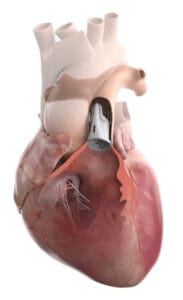
On October 1, 2026, the FDA approved the Edwards Lifesciences AUTUS Size-Adjustable Valve, the first pediatric heart valve designed to grow with children.
The surgical pulmonary valve is implanted at about 13 millimeters and can be widened to 22 millimeters with a balloon catheter as a child grows.
That means children with congenital heart disease may need far fewer repeat open-heart surgeries.
This guide explains how the valve works, what the clinical trial showed and what the approval means for Edwards and the cardiac surgery device market.
Find growth niches in minutes, not months.
Explore quick, actionable insights from the select markets.
Table of Contents
➜ What is the Edwards AUTUS pediatric heart valve
➜ How does a size-adjustable heart valve work
➜ What did the AUTUS clinical trial show
➜ Why a heart valve that grows with children matters
➜ How AUTUS fits Edwards Lifesciences’ heart valve strategy
➜ What the approval means for the cardiac surgery device market
Key Takeaways
- The FDA approved the AUTUS Size-Adjustable Valve on October 1, 2026, as the first heart valve designed to grow with children.
- The valve starts at about 13 millimeters and can be expanded to 22 millimeters, which is comparable to an adult valve.
- In a 62-patient trial at 12 U.S. sites, the FDA reported no deaths, blood clots or strokes.
- The approval builds on Edwards’ structural heart portfolio, which iData Research ranks as leading in most of the cardiac surgery segments Edwards competes in.
What is the Edwards AUTUS pediatric heart valve
The AUTUS Size-Adjustable Valve is a surgically implanted pulmonary heart valve for children with congenital pulmonary valve disease.
It is the first heart valve approved in the United States that is designed to be enlarged as the patient grows, according to the FDA.
The valve was developed by Autus Valve Technologies, which Edwards Lifesciences acquired in February 2026.
Edwards paid $128.9 million for the company, plus up to $132.5 million in milestone payments.
The FDA granted the device Breakthrough Device designation.
It was also the first approval to come through the FDA’s Total Product Life Cycle Advisory Program, known as TAP.
How does a size-adjustable heart valve work
A surgeon first implants the valve at a diameter of about 13 millimeters, a size suited to toddlers and preschool-age children.
As the child grows, doctors can widen the valve with a balloon catheter instead of replacing it.
This minimally invasive step replaces what would otherwise be another open-heart operation.
The valve can expand up to 22 millimeters, which the FDA describes as comparable to an adult pulmonary valve.
Its leaflets are made of a synthetic polymer rather than animal-derived tissue.
What did the AUTUS clinical trial show
The pivotal study enrolled 62 pediatric patients at 12 sites across the United States.
At six months, the FDA reported acceptable blood flow performance with no more than mild valve leakage.
The agency also reported no deaths, blood clots or strokes in the study.
Edwards reported that patients were 100% free of device-related complications through 30 days.
Three patients had a fracture of the valve frame and two had reduced leaflet movement, and none of these cases caused symptoms.
Two children began to outgrow their valves during the study, and both had them expanded successfully without surgery.
Patients will continue to be followed for 10 years.
Why a heart valve that grows with children matters
Congenital heart disease affects about 1 in 100 births, according to the FDA.
Pulmonary valve atresia and stenosis together affect around 4,200 babies in the U.S. each year.
Historically, children who needed a new pulmonary valve faced multiple open-heart surgeries as they grew, according to the FDA.
Each new operation was needed to swap a valve the child had outgrown for a larger one.
Edwards CEO Bernard Zovighian said the valve “represents a meaningful advancement for children who have historically had limited treatment options.”
Emile Bacha of Columbia University said it “gives congenital heart teams a new way to think about long-term care planning.”

How AUTUS fits Edwards Lifesciences’ heart valve strategy
Edwards Lifesciences participates in five segments of the global cardiac surgery device market, according to iData Research.
iData found that Edwards held a leading position in most of those segments in 2025, with the exception of transcatheter mitral and tricuspid valve repair devices.
In May 2025, its SAPIEN 3 transcatheter aortic valve replacement platform received FDA approval for patients with asymptomatic severe aortic stenosis.
AUTUS extends that valve franchise from older adults with aortic disease to young children with congenital pulmonary disease.
For a ranked view of the field, see our breakdown of the top cardiac surgery device companies in 2026.
What the approval means for the cardiac surgery device market
iData Research tracks pulmonary valve procedures across surgical tissue valves, mechanical valves, transcatheter pulmonary valve replacement and pulmonary balloon valvuloplasty.
AUTUS is implanted surgically but expanded with a catheter, so it touches both sides of that market.
iData identifies increasing minimally invasive treatment options as a key driver across the global cardiac surgery space.
Its research also notes broader physician adoption of catheter-based PFO and PDA closure across both pediatric and adult patients.
Competitors are also refining valves for lifetime patient management.
In October 2025, Medtronic launched its Avalus Ultra surgical tissue valve in India, designed to support future valve-in-valve procedures.
In August 2025, Abbott’s Navitor TAVI system received CE Mark for an expanded aortic stenosis indication.
Segment-level procedure volumes, forecasts and competitor shares are available in the iData Global Cardiac Surgery Device Market report.
Frequently asked questions
What is the first pediatric heart valve that grows with children?
The Edwards Lifesciences AUTUS Size-Adjustable Valve, approved by the FDA on October 1, 2026, is the first heart valve designed to grow with children.
How is the AUTUS valve expanded?
Doctors widen the valve with a balloon catheter in a minimally invasive procedure instead of open-heart surgery.
What sizes does the AUTUS valve come in?
It is implanted at about 13 millimeters and can be expanded to 22 millimeters.
Who is the AUTUS valve for?
It is for pediatric patients with congenital pulmonary valve disease who need a surgical pulmonary valve replacement.
Who developed the AUTUS valve?
Autus Valve Technologies developed the valve, and Edwards Lifesciences acquired the company in February 2026.
Turn market painpoints into opportunities
Explore how procedure trends and competitor positioning create clear openings for industry experts in the market.


