
Clear Aligners Market growth is reshaping modern orthodontics, driven by rising aesthetic demands, evolving digital workflows, and expanded access through general practitioners and dental service organizations (DSOs). Once limited to mild cases, clear aligners now serve a wide range of patients, from children needing early intervention to adults seeking discreet, removable solutions.
In this blog, we explore the biggest shifts shaping the clear aligner market in 2025 and what it means for providers, patients, and investors.
Find growth niches in minutes, not months.
Explore quick, actionable insights from the select markets.
Table of Contents
➜ What Are Clear Aligners and Why Are They Popular?
↳ What Makes Clear Aligners Appealing to Consumers?
➜ How Big Is the Clear Aligners Market?
➜ Why Are More People Choosing Clear Aligners Over Traditional Braces?
➜ What’s Changing in Clear Aligner Business Models and Technology?
➜ Clear Aligners Market Outlook
➜ Get a Global Clear Aligner Market Summary
Key Takeaways
- The global clear aligner market reached $5B in 2024 and is projected to exceed $13.4B by 2030, growing at a 15% CAGR.
- Clear aligners offer a discreet, removable, and hygienic alternative to braces, making them popular among adults and teens alike.
- General dentists and GPs are increasingly adopting aligner treatment, supported by tech-enabled training and remote monitoring tools.
- Direct-to-consumer brands like SmileDirectClub struggled with quality concerns and sustainability, shifting the market toward hybrid models involving professionals.
- Dental Service Organizations (DSOs) and white-label manufacturers are expanding access through cost-efficient, branded aligner solutions.
- 3D printing technology is reducing aligner production costs, especially with FDA-cleared resins from companies like LuxCreo and Graphy.
- Despite momentum, barriers like high treatment costs, limited insurance, and provider variability remain challenges to mass adoption.
What Are Clear Aligners and Why Are They Popular?
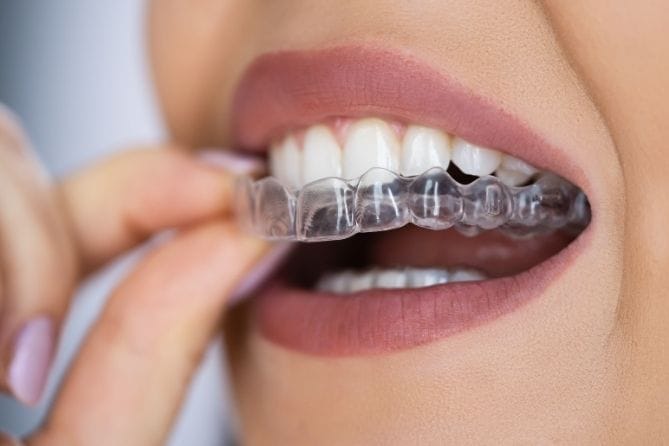
Clear aligners have become a cornerstone of modern orthodontics. Valued at over $5 billion in 2024 and projected to reach more than $13 billion by 2030, this market is experiencing rapid expansion.
What’s driving this transformation? Consumer convenience, cutting-edge technology, and new business models – all changing the way teeth are straightened.
What Makes Clear Aligners Appealing to Consumers?
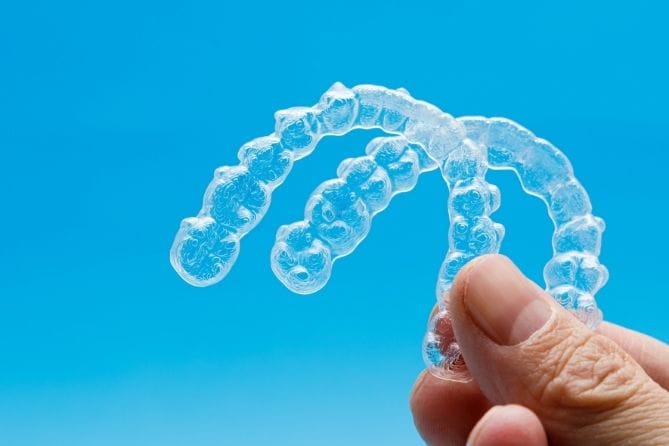
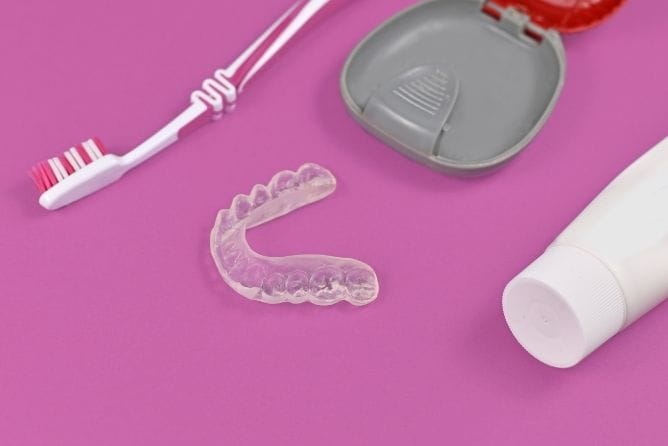
Clear aligners are nearly invisible, custom-made trays that gently shift teeth over time. Made from clear plastic or acrylic, these removable devices offer both aesthetic appeal and hygienic advantages, especially during meals and oral care.
The treatment journey begins with a 3D scan or impression, followed by a series of aligners that guide teeth into position. With treatment spanning from six months to two years depending on complexity, aligners combine effectiveness with discretion.
How Big Is the Clear Aligners Market?
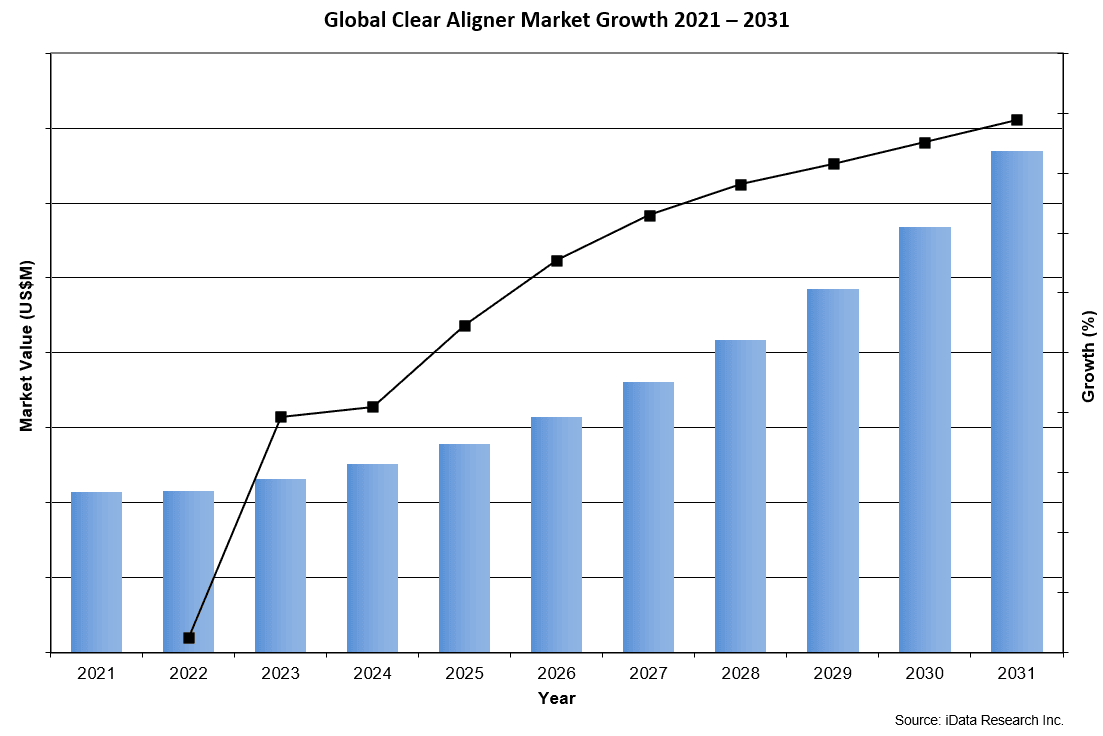
(Note: to see the full graph, download our 2025 – 2031 Global Clear Aligner Market Report)
The clear aligner industry is flourishing:
- In 2024, the global clear aligner market reached $5 billion and is expected to soar to $13.4 billion by 2030 (15% CAGR).
- The broader orthodontics market, including braces and retainers, was valued at $12.9 billion in 2024, with an anticipated rise to over $22.6 billion by 2030.
Leading the charge is Align Technology – creators of Invisalign, with competitors like 3M, Dentsply Sirona, and Envista (maker of Spark™ Aligners) also gaining traction.

Why Are More People Choosing Clear Aligners Over Traditional Braces?
Aesthetic Appeal and Lifestyle Fit
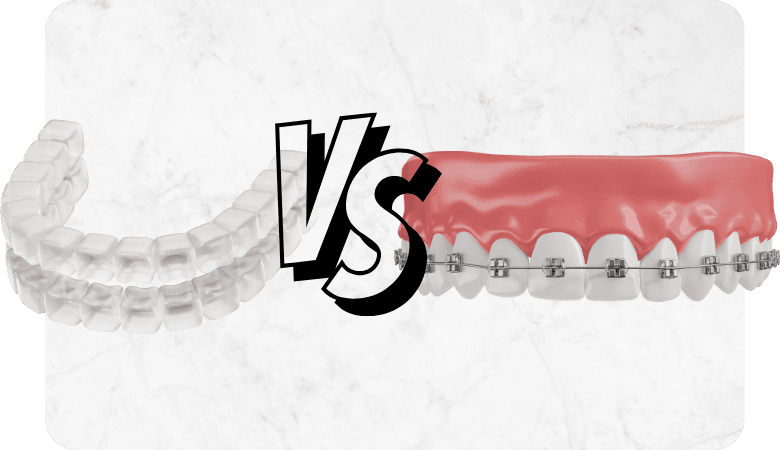
Clear aligners appeal to those who want a discreet, removable solution. Unlike braces, they don’t affect appearance and make it easier to eat, brush, and floss without hassle.
Growing Use Among Kids and Teens
Products like Invisalign First™ for children and Spark™ Aligners with BiteSync™ offer targeted solutions for younger patients, aiming to correct minor misalignments early and reduce the need for complex interventions later.
Wider Provider Adoption
General dentists are increasingly offering clear aligners, supported by Align Technology’s training and digitized treatment planning tools. This shift expands access while preserving quality care.
What’s Changing in Clear Aligner Business Models and Technology?
DTC Aligner Models Are Evolving
The direct-to-consumer (DTC) boom faced challenges, including criticism over treatment accuracy and patient safety. Market leaders like Candid and Byte have pivoted to hybrid care models that incorporate scans and consultations with licensed professionals. Meanwhile, SmileDirectClub’s bankruptcy in 2023 underscored the difficulties in scaling a DTC-only model sustainably.
DSOs and White-Label Opportunities
Dental Service Organizations (DSOs) enable clinics to tap into bulk purchasing, training, and marketing support. Many are entering the market with white-label aligner offerings, partnering with manufacturers to create their own brands without building new infrastructure, leading to more competitive prices and broader patient access.
3D Printing Advances Lower Costs
The rise of accessible 3D printers (from providers like Formlabs and SprintRay) and FDA-approved resins (e.g., LuxCreo, Graphy) has democratized in-house aligner production. Small labs and clinics can now manufacture treatment-specific trays more affordably, pushing down average selling prices and encouraging wider adoption.
Clear Aligners Drawbacks

Cost Still Plays a Role
Though consumer-friendly models have emerged, cost remains a significant barrier. Treatment costs include not only the aligners but also professional fees, imaging, and follow-up care. The insurance coverage is also often limited.
Provider Training Matters
While general dentists are adopting clear aligners, complex cases still require orthodontist expertise. Ensuring proper training and adherence to clinical standards is essential to prevent misalignments or extended treatment times.
Pricing and Market Pressure
As white-label and 3D-printed solutions mature, pricing pressure intensifies. Volume and contract-based deals may thin margins for smaller vendors, making scale and efficiency crucial for profitability.
Clear Aligners Market Outlook
The clear aligner market is positioned for major growth and change, driven by increasing affordability, enhanced digital workflows, and evolving care models. Expect a continued move toward hybrid care (online consults + in-office oversight), further uptake by DSOs, and deeper integration of 3D printing at the point of care.
What remains clear: the future of orthodontics is about delivering smarter, more personalized, and accessible care.
Turn market painpoints into opportunities
Explore how procedure trends and competitor positioning create clear openings for industry experts in the market.


