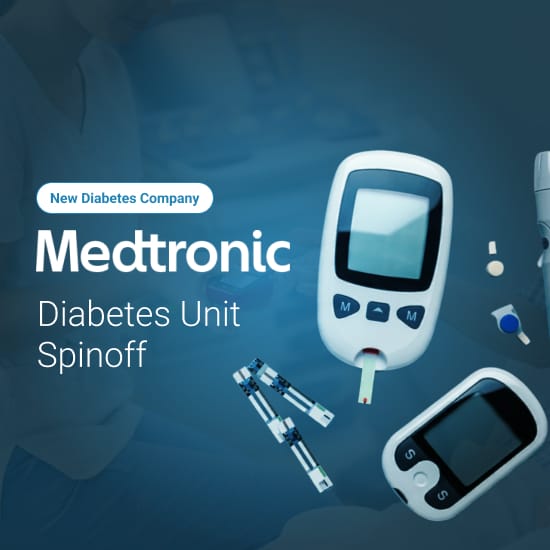
Medtronic Diabetes business separation is a plan to spin off its $2.8B diabetes unit into a separate public company by 2026.
Discover what this means for digital diabetes care, CGM innovation, and investor strategy.
Find growth niches in minutes, not months.
Explore quick, actionable insights from the select markets.
Table of Contents
➜ Why Is Medtronic Spinning Off Its Diabetes Business?
➜ Medtronic’s Diabetes Division: Performance and Product Strategy
➜ Impact on the Digital Diabetes Market
➜ Challenges Ahead: Tariffs, Profit Margins, and Market Competition
➜ Medtronic – What Stakeholders Should Watch in 2025–2026
➜ Explore Our Comprehensive U.S. Diabetes Market Report Today
Key Takeaways
- Medtronic will separate its diabetes unit into a new public company within 18 months.
- The division reported $2.8B in revenue for fiscal year 2025, with 10.7% year-over-year growth.
- The move allows Medtronic to focus on high-margin segments like cardiovascular and surgical devices.
- The new diabetes company will focus on consumer-oriented growth strategies in digital diabetes care.
- Tariffs and margin pressures are notable risks for both entities post-spin-off.
Why Is Medtronic Spinning Off Its Diabetes Business?

On May 21, 2025, Medtronic announced its intent to separate its diabetes business into an independent, publicly traded company within the next 18 months. This strategic move aims to allow the diabetes unit to focus more intensely on its consumer-oriented growth strategy, while enabling Medtronic to concentrate on its core segments: cardiovascular, neuroscience, and surgical devices.
CEO Geoff Martha stated that the decision simplifies Medtronic’s portfolio and creates a stand-alone diabetes tech competitor.
Medtronic Diabetes Division: Performance and Product Strategy
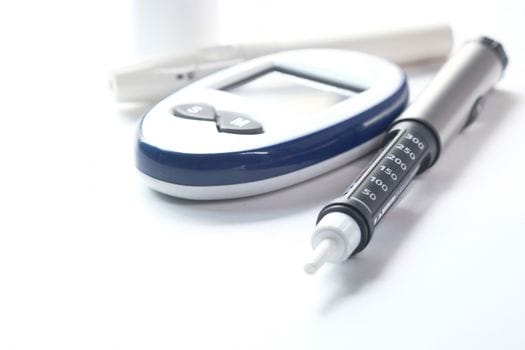
The diabetes division has shown significant growth, reporting $2.8 billion in revenue for fiscal year 2025, accounting for 8% of Medtronic’s total revenue. In the fourth quarter alone, the unit achieved $728 million in sales, marking a 10.4% year-over-year increase and the sixth consecutive quarter of double-digit growth.
The division’s product portfolio includes:
- insulin pumps
- continuous glucose monitors (CGMs)
- smart insulin pens
Notably, the MiniMed 780G insulin pump received FDA approval in 2023, and Medtronic partnered with Abbott in 2024 to develop a glucose sensor compatible with its insulin delivery devices.

Impact on the Digital Diabetes Market

The spin-off positions the new diabetes company to compete directly with market leaders like Abbott and Dexcom in CGMs, and Insulet and Tandem Diabetes Care in insulin pumps.
By focusing solely on diabetes care, the new entity can pursue targeted investments and faster growth, particularly in the rapidly evolving digital diabetes market.
The move also reflects a broader industry trend toward specialization and consumer-focused healthcare solutions.
Challenges Ahead: Tariffs, Profit Margins, and Market Competition

Despite strong growth, the diabetes division faces challenges, including exposure to tariffs and lower profit margins compared to Medtronic’s other segments.
New tariffs imposed by the U.S. government could increase Medtronic’s gross cost of goods sold by up to $950 million in fiscal year 2026.
While the company plans to mitigate up to $600 million of these costs, a net increase of $200 million to $350 million is still expected.
Additionally, the new diabetes company will need to navigate intense competition in the digital diabetes care market, requiring continuous innovation and strategic investments.
📌 Related Read:
Medtronic – What Stakeholders Should Watch in 2025 – 2026

As the separation progresses, stakeholders should monitor several key areas:
- Leadership Transition: Que Dallara, current head of Medtronic’s diabetes business, will become CEO of the new company.
- Financial Performance: Investors will be keen to see how the new entity manages profitability and growth in a competitive market.
- Innovation Pipeline: The development and launch of new products, particularly in CGMs and insulin delivery systems, will be critical.
- Regulatory Approvals: Timely FDA approvals for new devices will impact the company’s ability to compete effectively.
- Market Dynamics: The company’s ability to adapt to changing market conditions, including tariff impacts and competitive pressures, will be essential.
Note: This blog reflects publicly available insights as of May 2025 and is intended for informational purposes only.
Turn market painpoints into opportunities
Explore how procedure trends and competitor positioning create clear openings for industry experts in the market.


