
Heart care innovations such as laser atherectomy and drug-coated balloons are transforming cardiovascular treatments, reducing complications, shortening recovery times, and enhancing patient outcomes.
In this article, we will explore these exciting heart care innovations, explaining what they are, how they benefit patients, and why they’re gaining popularity in cardiovascular medicine.
Find growth niches in minutes, not months.
Explore quick, actionable insights from the select markets.
Table of Contents
➜ Drug-Coated Balloons: Keeping Arteries Clean
➜ Patient and Physician Benefits
➜ The Future of Vascular Treatments
Key Takeaways
- Laser atherectomy precisely removes arterial blockages using minimally invasive laser technology, resulting in shorter hospital stays, fewer complications, and faster patient recovery.
- Drug-coated balloons (DCBs) deliver medication directly to artery walls, significantly reducing re-blockage rates and minimizing the need for repeat procedures.
- The transition to minimally invasive vascular treatments is improving patient outcomes, reducing costs, and transforming cardiovascular care practices.
- Ongoing innovations and digital integration are set to further enhance treatment effectiveness, convenience, and patient quality of life.
What is Laser Atherectomy?
Laser atherectomy is an advanced procedure used to remove plaque buildup from arteries, particularly in cases of peripheral artery disease (PAD).
PAD is a condition where arteries become narrowed due to fatty deposits, limiting blood flow and causing pain, numbness, or even serious complications like limb loss.
How Does Laser Atherectomy Work?

Laser atherectomy treatments use precise lasers to gently remove arterial blockages, improving patient outcomes, reducing hospital stays, and offering faster recovery.
How laser atherectomy works:
- A specialized catheter, guided by a laser, is threaded into the blocked artery.
- Laser energy is emitted, vaporizing plaque precisely without damaging surrounding healthy tissue.
- The procedure is minimally invasive, performed through a tiny incision—patients typically experience quicker recoveries than traditional surgeries.
Advantages of the Laser Atherectomy Over Traditional Procedures:
- Precision & safety: Lower risk of damaging healthy vessel tissue.
- Reduced hospital stays: Often performed as an outpatient procedure.
- Lower recurrence rate: Significantly reduces the likelihood of arterial blockage returning, improving long-term patient outcomes.

Drug-Coated Balloons: A Simpler Way to Keep Arteries Clear
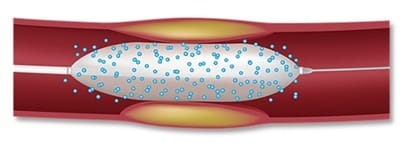
Drug-coated balloons deliver medication directly into artery walls, significantly reducing restenosis rates and minimizing repeat procedures.
What are Drug-Coated Balloons (DCBs)?
A drug-coated balloon is a medical device used in minimally invasive angioplasty procedures. Unlike traditional balloon angioplasty—which involves mechanically widening arteries—drug-coated balloons also deliver medication directly into the artery walls during treatment.
This medication helps prevent scar tissue from forming, reducing the chance of arteries narrowing again in the future (known as “restenosis”).
Why Drug-Coated Balloons (DCBs) are Gaining Popularity:
- Fewer Repeat Procedures: DCBs significantly reduce re-blockage (restenosis rates) compared to traditional methods.
- Improved patient quality of life: Fewer hospital visits and procedures mean less stress and quicker returns to daily life.
- Cost-effective long-term: By reducing repeat treatments, DCBs help control healthcare costs.
Recent studies suggest drug-coated balloons can reduce the likelihood of repeat procedures by up to 30–40% compared to traditional angioplasty, representing a significant step forward for both patient convenience and healthcare efficiency.
Patient and Physician Benefits
The shift toward minimally invasive solutions like laser atherectomy and drug-coated balloons provides clear advantages for both patients and healthcare providers:
- Patients benefit from less invasive procedures, fewer complications, shorter hospital stays, and quicker recoveries.
- Physicians benefit from improved procedural precision, lower complication rates, and greater patient satisfaction.
These advancements represent a crucial step forward in treating cardiovascular diseases—enhancing both medical outcomes and patient experiences.
Heart Care Innovations: The Future of Vascular Treatments
The future of cardiovascular treatment lies in continued innovation, particularly combining new technologies like laser atherectomy and drug-coated balloons with digital health integration and AI-driven monitoring systems.
As these treatments become more accessible, patient outcomes will further improve, driving down both healthcare costs and the physical toll of traditional heart surgery.
Turn market painpoints into opportunities
Explore how procedure trends and competitor positioning create clear openings for industry experts in the market.


