Contact Lenses vs Surgery – as vision correction needs rise globally, patients are increasingly faced with a decision: stick with contact lenses or opt for corrective eye surgery.
In 2025, this choice is shaped by innovations in ophthalmic devices, changing demographics, and surgical accessibility.
This blog explores where patients are leaning, and why, through the lens of the growing ophthalmic device market.
Find growth niches in minutes, not months.
Explore quick, actionable insights from the select markets.
Table of Contents
➜ What’s Fueling the Demand for Vision Correction?
➜ Are Contact Lenses Still Popular in 2025?
↳ Contact Lenses vs Laser Eye Surgery Cost
➜ Why Corrective Eye Surgery Is Gaining Traction
➜ How Ophthalmic Technologies Are Driving Patient Decisions
➜ Market Growth in Ophthalmology
➜ Contact Lenses vs Surgery: Key Factors Patients Weigh
➜ Contact Lenses vs Surgery: Which Is Better in 2025?
➜ Request a 2025 – 2031 Ophthalmic Device Market Report
Key Takeaways
- Aging populations and rising digital screen time are fueling long-term demand for vision correction.
- Corrective eye surgery is growing, particularly in markets where phacoemulsification, IOLs, and laser systems are widely available.
- Contact lenses remain dominant for younger users and those seeking flexibility or non-invasive options.
- Patients increasingly favor surgery due to convenience, longer-lasting results, and improved safety.
- Technology consolidation, like OCT systems with fundus imaging, supports both diagnostic and surgical markets.
What’s Fueling the Demand for Vision Correction?
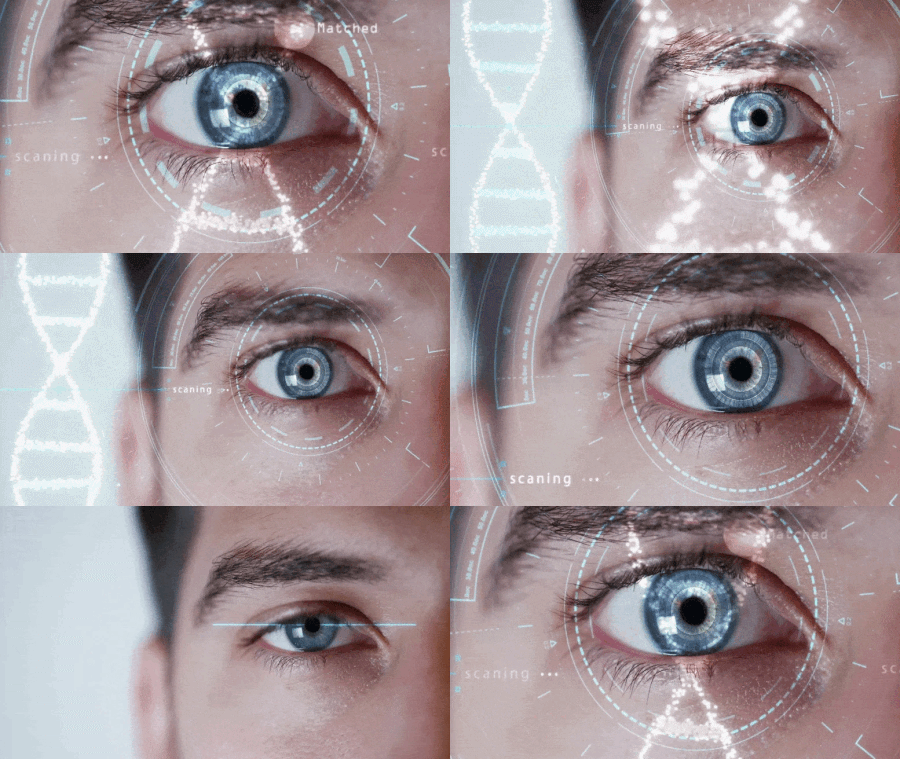
The global need for vision correction is driven by aging populations and increased screen time. Conditions like presbyopia, myopia, and cataracts are more common than ever, pushing both surgical and non-surgical solutions to the forefront of ophthalmology.
Patients across all age groups are actively seeking better vision solutions.
More people in their 40s and 50s are struggling to read a menu without glasses, while younger generations face early eye strain from hours spent on digital devices.
As a result, the ophthalmic device market, valued at $23 billion in 2022 and projected to reach $28 billion by 2029, is riding this wave of demand.
📌 Related Read:
Are Contact Lenses Still Popular in 2025?
Yes but with caveats.
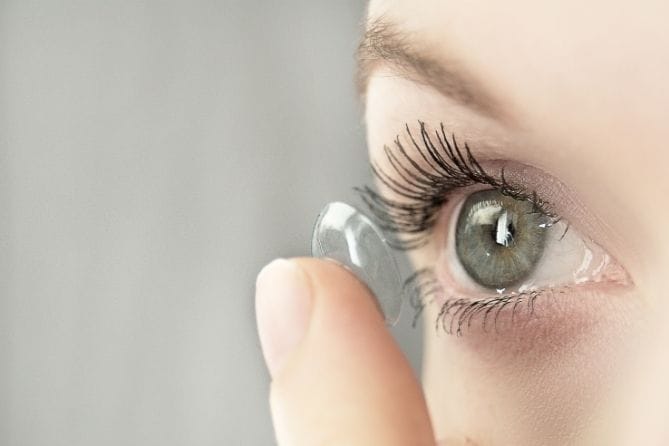
Contact lenses remain a first-line choice for millions worldwide, offering vision correction without the permanence or perceived risks of surgery. They’re especially popular among younger adults, active professionals, and students who appreciate the flexibility, wear them during the day, remove them at night, and avoid the visual barrier of glasses. For many, lenses provide a lifestyle-friendly option that fits easily into daily routines.
Modern Contact Lenses
The market has also kept pace with evolving patient needs. Modern contact lenses are far more advanced than those of even a decade ago. Today’s options include:
- Breathable silicone hydrogel materials that support extended wear
- Daily disposables for added hygiene and convenience
- Specialty lenses tailored for astigmatism, presbyopia, or irregular corneas.
Multifocal and toric lenses, for instance, help patients with complex prescriptions avoid bifocals or glasses altogether.
Contact Lenses vs Laser Eye Surgery Cost
Over time, the recurring cost of lens refills, cleaning solutions, and follow-up appointments can exceed the one-time cost of refractive surgery. For patients seeking a more permanent, low-maintenance solution, especially those entering middle age or facing long-term use, these downsides often become tipping points in favor of surgical correction.
Why Corrective Eye Surgery Is Gaining Traction
@medcafee7d9 How LASIK Eye Surgery Is Performed? (3D Animation) #lasik #lasikeyesurgery #lasikeye #lasikeyesurgerycost #lasereyesurgery #lasereye #medical3danimation #3dmedicalanimation #eyesurgery #cataractsurgery #cataractremoval
Refractive surgeries like LASIK, PRK, and SMILE are gaining popularity thanks to their long-term results and enhanced safety profiles.
In particular:
- Intraocular lenses (IOLs) are increasingly used in cataract and refractive surgeries to restore vision, often replacing the need for glasses.
- Phacoemulsification consoles and ophthalmic lasers enhance surgical speed and precision, crucial for high-volume eye clinics.
- Viscoelastic devices (OVDs) help protect the eye during procedures, maintaining shape and minimizing complications.
The upfront cost of surgery may be higher, but the value proposition, no daily lens care, fewer replacements, makes eye surgery attractive over time.

How Ophthalmic Technologies Are Driving Patient Decisions
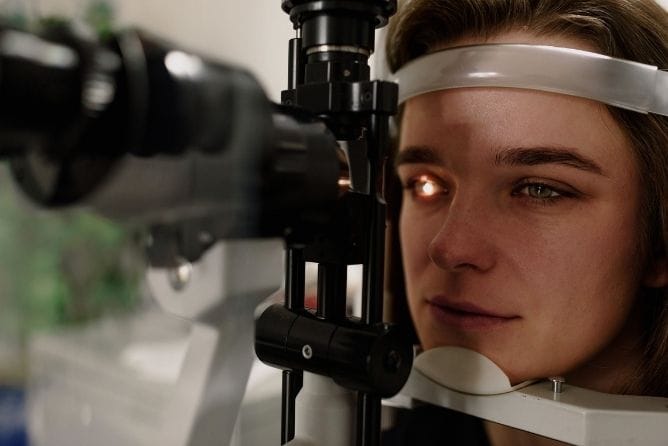
One of the most important market shifts is the consolidation of diagnostic technologies into single, multifunctional devices.
Meaning, instead of having separate machines for different eye exams, like one for scanning the retina and another for measuring eye pressure, ophthalmologists can now use one device that does it all. This saves space in clinics, reduces costs, and makes eye exams faster and more convenient for both doctors and patients.
For example:
- Modern OCT systems now bundle fundus cameras, angiography, and slit-lamp tools, allowing quick, space-efficient diagnosis of eye diseases like diabetic retinopathy.
- This streamlines consultations and supports timely surgical referrals.
- New biometry platforms combine key eye measurements, helping surgeons identify conditions like astigmatism and recommend solutions like toric IOLs, speeding up pre-op decisions and improving outcomes.
Advanced diagnostics help identify surgical candidates earlier and with more confidence, reducing hesitation and delays in treatment.
Market Growth in Ophthalmology
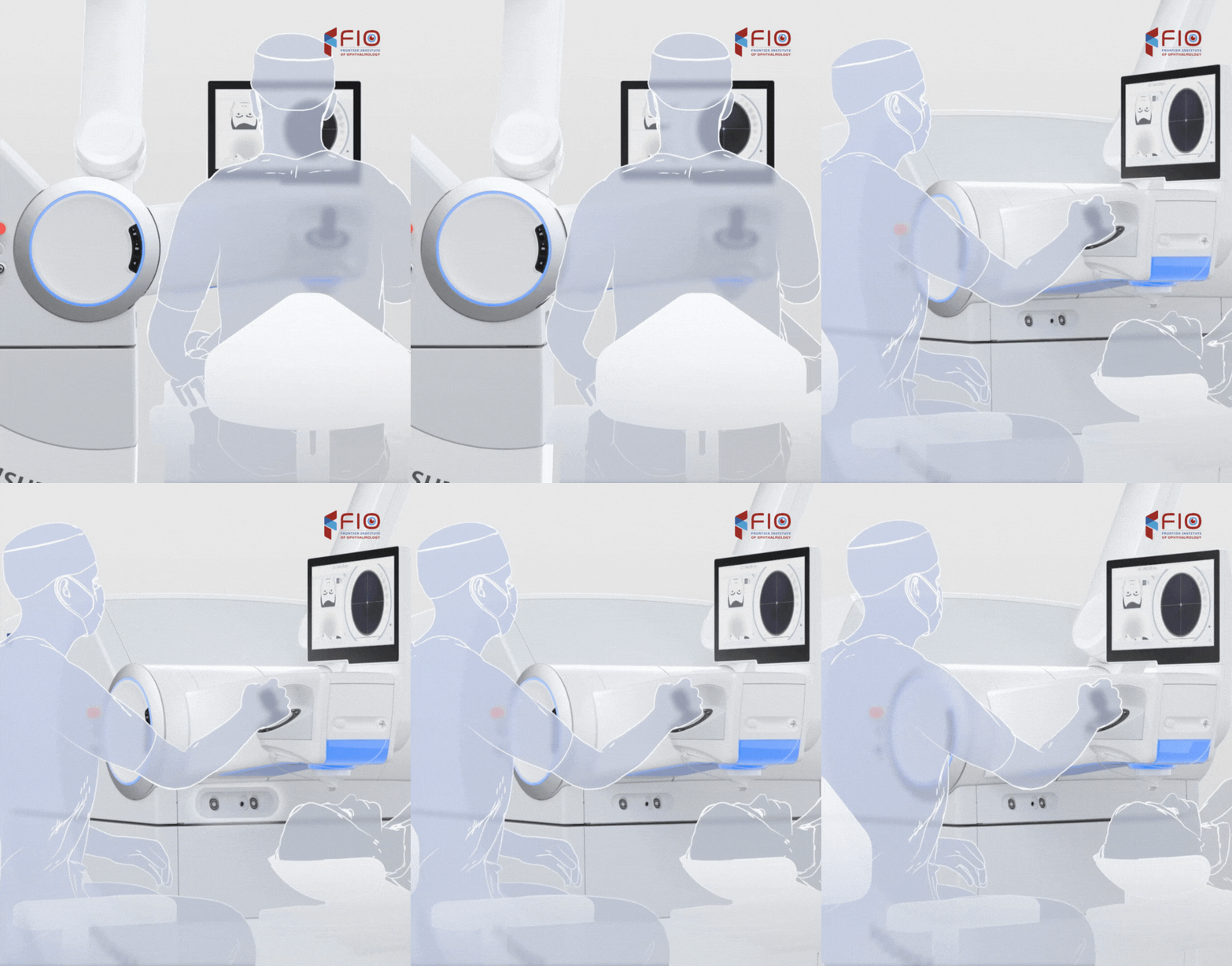
Several submarkets within ophthalmology are seeing strong growth:
- The IOL and OVD markets are directly tied to the rise in corrective surgeries.
As more aging patients undergo cataract surgery, intraocular lenses (IOLs) are commonly implanted to restore clear vision, often removing the need for glasses. - Contact lenses remain a multibillion-dollar global market, especially in younger populations and regions with limited surgical infrastructure. Many people, especially in their teens and 20s, choose contacts for convenience and cosmetic reasons. In countries where access to eye surgery is limited or expensive, contact lenses often remain the most accessible solution for vision correction.
- Overall, the corrective surgery segment is a primary growth engine for both diagnostic and surgical device categories. As more people opt for surgeries like LASIK or cataract removal, eye clinics invest in advanced diagnostic tools and surgical equipment to meet rising demand, especially in busy urban centers and aging populations.
In short, whether through surgery or non-invasive correction, rising global demand for better vision is fueling steady growth across nearly all segments of the ophthalmic device market.
Contact Lenses vs Surgery: Key Factors Patients Weigh
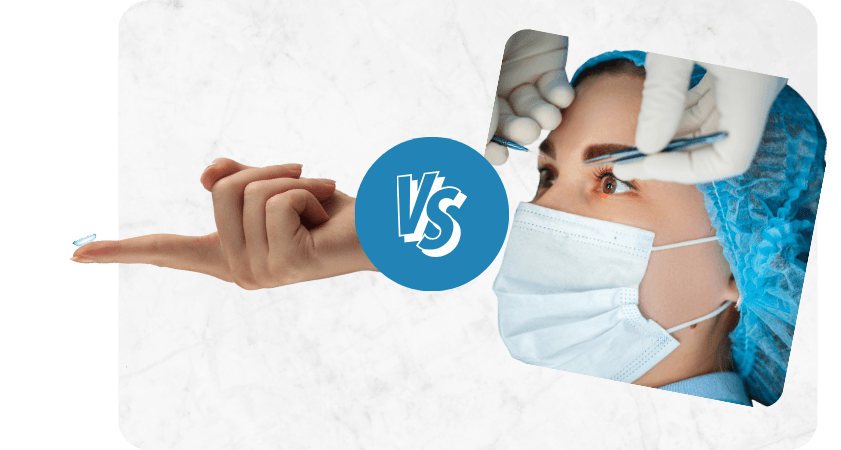
Here’s what patients consider in 2025:
| Factor | Contact Lenses | Corrective Surgery |
| Cost | Lower upfront, higher long-term | Higher upfront, minimal long-term costs |
| Convenience | Daily maintenance required | No daily care needed post-recovery |
| Lifestyle | Great for sports or flexible routines | Better for those wanting freedom from lenses |
| Invasiveness | Non-invasive | Invasive, but typically safe |
| Permanence | Temporary correction | Long-term or permanent results |
The decision is often emotional and financial.
People who choose to move from contact lenses to eye surgery (like LASIK or IOL implantation) are often doing so because they want a more permanent, low-maintenance solution. It’s about simplifying daily life (no more cleaning lenses or dealing with irritation) and making a personal investment in long-term comfort, lifestyle, or even self-confidence.
Contact Lenses vs Surgery: Which Is Better in 2025?

It depends on the patient.
Contact lenses remain a flexible, non-invasive solution for millions, especially young adults or those unsure about surgery. They’re increasingly comfortable and tailored for specific conditions.
However, for aging populations or those seeking long-term freedom from eyewear, surgery is becoming the more attractive option. With AI-driven diagnostics, safer lasers, and faster recovery, refractive and cataract surgeries are delivering excellent outcomes with fewer complications.
Bottom line:
- Contact lenses = great short-term, lower commitment, especially for mild/moderate vision issues.
- Surgery = better long-term ROI for patients seeking a lasting solution with fewer day-to-day hassles.
The trend? More patients are opting for surgery earlier, viewing it as a proactive lifestyle upgrade, not just a medical fix.
Turn market painpoints into opportunities
Explore how procedure trends and competitor positioning create clear openings for industry experts in the market.


