
For decades, injectable insulin and GLP-1 receptor agonists have been the gold standard in diabetes management. But for millions of patients, daily injections are painful, inconvenient, and often lead to poor adherence.
Pharmaceutical companies are now shifting focus to needle-free, non-injectable alternatives, making diabetes care easier and less invasive.
In this article, we will talk about the non-injectable diabetes medications and treatments, and how they are changing the diabetes landscape.
Find growth niches in minutes, not months.
Explore quick, actionable insights from the select markets.
Table of Contents
➜ Which Type of Diabetes Requires Injections?
➜ Pill-Based GLP-1 Diabetes Medications: The Future of Diabetes & Weight Management
➜ Inhalable Insulin: A Needle-Free Alternative to Traditional Insulin
➜ Continuous Glucose Monitoring & Smart Wearables: A Non-Invasive Future
➜ Big Players in Non-Injectable Diabetes Treatments
➜ Are We Entering a Needle-Free Era?
➜ Comprehensive U.S. Diabetes Market Report
Key Takeaways
- Type 1 diabetes always requires insulin, while Type 2 may be managed with oral medications or injections.
- Non-injectable treatments like Rybelsus® (oral GLP-1), Afrezza® (inhalable insulin), and smart glucose monitors offer needle-free alternatives.
- Continuous glucose monitoring (CGM) and wearables are replacing finger pricks, making blood sugar tracking easier.
- Diabetes remission is possible for some Type 2 patients with weight loss, diet, and exercise but requires long-term commitment.
- Pharma companies are investing in non-injectable solutions, making diabetes care more convenient and accessible.
Which Type of Diabetes Requires Injections?

Not all diabetes patients need injectable treatments. Here’s how it breaks down:
- Type 1 Diabetes – Always requires insulin since the pancreas produces little to no insulin. Traditionally, this involves daily injections or an insulin pump.
- Type 2 Diabetes – Not all patients need insulin, but some require GLP-1 agonists (like Ozempic®) or insulin injections if oral medications are ineffective.
- Gestational Diabetes – Some cases require insulin injections, but many can be managed with diet, exercise, and oral medications.
Can Diabetes Be Treated Without Injections?
Yes, but it depends on the type of diabetes.
For many Type 2 diabetes patients, non-injectable medications like oral GLP-1 receptor agonists (Rybelsus®), SGLT2 inhibitors, and metformin can effectively control blood sugar.
Type 1 diabetes, however, still requires insulin, though insulin pumps and potential oral insulin options could replace injections in the future.
📌 Interested in learning about alternative treatment options? Explore the top diabetes drugs for 2025.
Pill-Based GLP-1 Diabetes Medications: The Future of Diabetes & Weight Management
One of the biggest breakthroughs in diabetes care is the introduction of oral GLP-1 receptor agonists, a game-changing alternative to injectables like Ozempic®.
What Are GLP-1 Receptor Agonists?
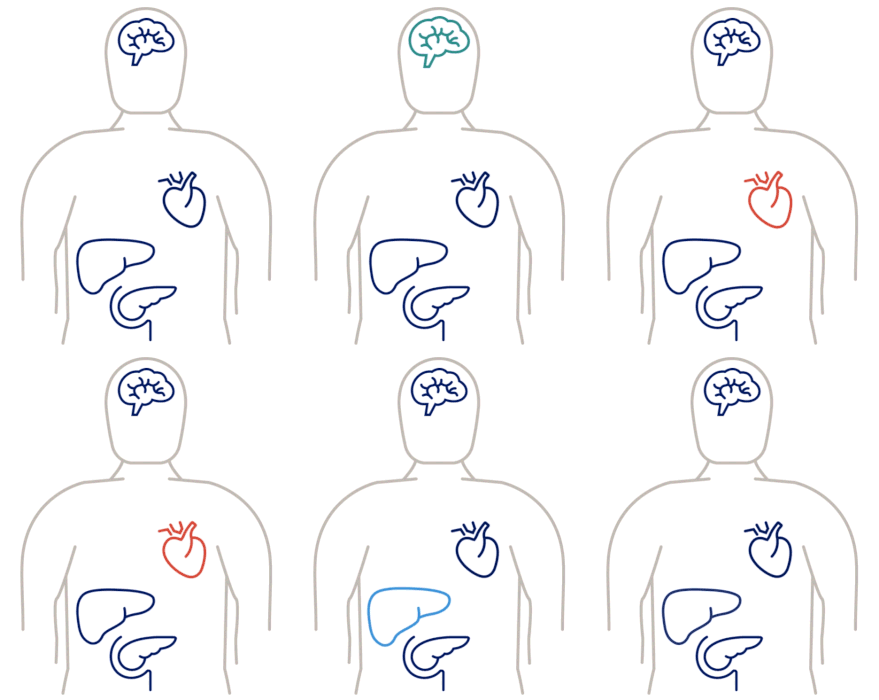
GLP-1 receptor agonists stimulate insulin production, slow digestion, and regulate appetite, helping both diabetes and weight management. Traditionally, these drugs were only available as injectables (e.g., Ozempic®, Mounjaro™).
How Are Pills Changing the Game?
- Rybelsus® (oral semaglutide) became the first FDA-approved GLP-1 receptor agonist in pill form, offering a needle-free option with similar benefits to injectable GLP-1s.
- More companies are developing oral versions, making it easier for patients to stay on treatment.
Is There a Non-Injectable Ozempic?
Yes! Rybelsus® is the oral version of Ozempic®.
Both Rybelsus® and Ozempic® contain semaglutide, but Ozempic® is injected, while Rybelsus® is taken as a pill.
📌 Want to know how GLP-1 drugs compare to other diabetes medications? Read our full breakdown of top 5 diabetes drug innovations.

Inhalable Insulin: A Needle-Free Alternative to Traditional Insulin

Insulin remains a lifesaving treatment for millions of diabetes patients—but for many, the need for multiple daily injections is a major challenge.
What Is Non-Injectable Insulin?
Non-injectable insulin is an alternative to traditional insulin injections, designed to provide the same blood sugar-lowering effects in a needle-free format.
- The most well-known option is Afrezza®, an inhalable insulin powder that is absorbed through the lungs and works faster than injectable insulin.
- Researchers are also developing oral insulin tablets, but no major products have reached the market yet.
How Does Inhalable Insulin Work?
Afrezza® is a rapid-acting insulin powder that patients inhale before meals, eliminating the need for mealtime injections.
Advantages of Inhalable Insulin
- Works faster than traditional insulin injections.
- No need for syringes or insulin pens.
- Easier for patients with injection anxiety.
While inhalable insulin is not yet a complete replacement for long-acting insulin injections, it offers a promising alternative for mealtime dosing.
📌 Related Read: How Continuous & Flash Glucose Monitoring Are Changing Diabetes Care
Continuous Glucose Monitoring & Smart Wearables: A Non-Invasive Future
Beyond medications, technology is playing a massive role in reducing the need for needles in diabetes care.
What is Continuous Glucose Monitoring (CGM)?
@diabe_tech The CGMs to look out for this year! #cgm #t1d #diabetes ♬ original sound – Diabetech Justin
Unlike traditional fingerstick glucose tests, continuous glucose monitors (CGM) provide continuous glucose readings via a small wearable sensor.
Abbott’s FreeStyle Libre® allows patients to scan a sensor on their arm for real-time blood sugar levels — No more finger pricks!
Wearable Diabetes Tech Is Expanding
- Smartwatches and patches are integrating with CGM and FGM devices.
- AI-driven glucose monitoring apps are helping patients optimize their treatment plans.
📌 Learn More: The Latest Trends in Diabetes Monitoring
Big Players in Non-Injectable Diabetes Treatments
Overall, the U.S. diabetes monitoring, treatment and drug delivery market was valued at nearly $48 billion in 2024 and is expected to reach $79 billion in 2031.
The non-injectable insulin market alone is expected to double in size, reaching over $2 billion by 2030, as demand for needle-free treatments increases.
Key Market Segments & Growth
- Oral GLP-1 drugs like Rybelsus® are rapidly expanding, with the GLP-1 market projected to hit $53.46 billion in 2024, driven by strong clinical results and cardiovascular benefits.
- Inhalable insulin (Afrezza®) remains the only FDA-approved option, though uptake has been slower due to respiratory concerns.
- Advancements in drug delivery technology continue to push needle-free options into mainstream diabetes care.
Leading Companies in Non-Injectable Diabetes Treatments
Major pharmaceutical players shaping the market include:

- Novo Nordisk – Developer of Ozempic® (injectable) and Rybelsus® (oral GLP-1).
- Eli Lilly – Innovator behind Mounjaro™ and potential oral GLP-1 formulations.
- MannKind Corporation – Producer of Afrezza® inhalable insulin.
- Pfizer, Sanofi, AstraZeneca, and Boehringer Ingelheim – Expanding research into non-injectable diabetes therapies.
- Abbott Laboratories & GlaxoSmithKline – Pioneering needle-free glucose monitoring & alternative insulin delivery methods
As demand for more convenient diabetes treatments rises, companies are investing heavily in oral and inhalable alternatives, paving the way for a needle-free future in diabetes care.
Are We Entering a Needle-Free Era?
The rise of non-injectable diabetes treatments marks a major shift in diabetes care. While injections are still essential for some patients, new medications, inhalable insulin, and wearable glucose monitors are making diabetes management easier and less invasive.
As more big pharma companies invest in oral medications and needle-free insulin, the future of diabetes treatment looks more convenient than ever.
Turn market painpoints into opportunities
Explore how procedure trends and competitor positioning create clear openings for industry experts in the market.


